Hearing is one of our most precious senses, yet many of us take it for granted until problems arise. The good news? Most hearing loss is preventable, and even existing mild issues can often be managed or slowed down naturally. In this guide, we’ll answer the most common questions people have about ear care:
1. How Do You Take Care of Your Hearing? Daily Habits That Make a Big Difference
Simple lifestyle changes can protect your ears for life:
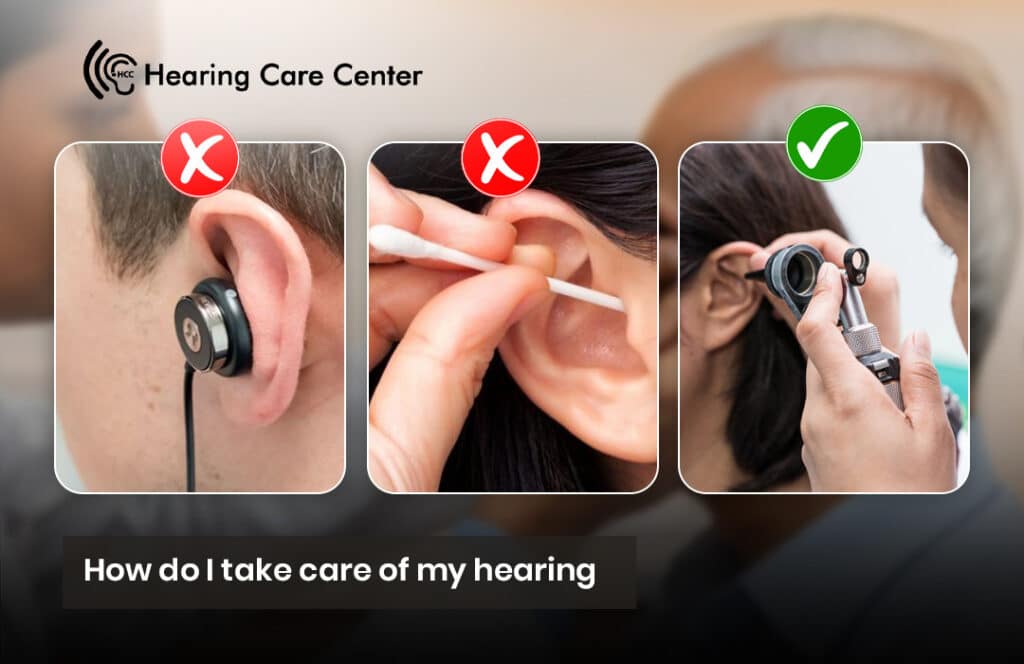
- Keep the volume down: Follow the 60/60 rule when using headphones or earbuds – never go above 60% volume and take a break after 60 minutes.
- Wear ear protection in noisy environments: Use earplugs or earmuffs when mowing the lawn, attending concerts, using power tools, or riding a motorcycle.
- Dry your ears properly after swimming or showering to prevent swimmer’s ear (otitis externa).
- Avoid inserting objects into your ears: No cotton buds (Q-tips), hairpins, or fingers – they can push wax deeper or damage the eardrum.
- Give your ears rest: After exposure to loud noise, allow 16–18 hours of quiet time for recovery.
- Quit smoking and limit alcohol: Both reduce blood flow to the ears and increase risk of hearing damage.
2. Can I Improve My Hearing Naturally?
Yes – especially if the loss is mild or caused by wax buildup, inflammation, or poor circulation. Natural ways to support better hearing include:
- Regular cardiovascular exercise (walking, swimming, cycling) improves blood flow to the inner ear.
- A diet rich in antioxidants and omega-3s protects delicate hair cells in the cochlea.
- Managing stress through yoga, meditation, or deep breathing – chronic stress raises cortisol, which harms hearing.
- Sound therapy and auditory training apps (e.g., LACE, Angel Sound) can help your brain process sounds better even if the ears are slightly damaged.
3. What Is the Best Way to Protect Hearing?
The single most effective method is reducing exposure to loud noise – it’s the #1 preventable cause of hearing loss worldwide. Practical steps:
- Use custom or over-the-counter earplugs (foam, silicone, or musician’s plugs that reduce volume evenly).
- Keep a safe distance from loudspeakers at concerts.
- Choose quieter power tools and appliances when possible.
- Get a professional baseline hearing test in your 30s or 40s so you can track changes early.
4. How Do I Make My Ears Hear Better Right Now?
Quick fixes that often work instantly:
- Remove excess earwax safely: Use over-the-counter wax softening drops (olive oil, mineral oil, or Debrox) for a few days, then gently irrigate with warm water using a bulb syringe.
- Treat congestion: Nasal decongestants or steam inhalation can open the Eustachian tubes if you feel muffled after a cold.
- Chew gum or yawn to “pop” blocked ears when flying or driving in hills.
- Stay hydrated – thick mucus can block the Eustachian tube.
5. Can You Fix Poor Hearing?
It depends on the type and cause:
- Conductive hearing loss (wax, fluid, infection, eardrum perforation) – often completely reversible with medical treatment.
- Sensorineural hearing loss (age-related or noise-induced) – usually permanent, but modern hearing aids and cochlear implants can restore near-normal hearing experience.
- Sudden hearing loss – see a doctor within 24–48 hours; steroid treatment can recover 60–80% of hearing in many cases.
Never ignore sudden changes – time is critical.
6. Which Vitamins and Nutrients Are Good for Hearing?
Research-backed nutrients that support ear health:
- Vitamin D – Low levels are linked to higher risk of age-related hearing loss.
- Omega-3 fatty acids (salmon, mackerel, walnuts, flaxseeds) – reduce inflammation in the inner ear.
- Magnesium – protects against noise-induced damage (found in spinach, almonds, bananas).
- Zinc – supports immune function in the ear and may help tinnitus (oysters, beef, pumpkin seeds).
- Antioxidants (Vitamins A, C, E) – fight oxidative stress caused by loud noise (berries, citrus, carrots, nuts).
- Folate (B9) – lowers homocysteine levels linked to presbycusis (leafy greens, lentils).
A Mediterranean-style diet consistently shows the strongest protective effect on hearing in long-term studies.
Final Takeaway
Your hearing is not something you “have” until it’s gone – it’s something you actively protect every day. Start with small changes: lower the volume, wear earplugs when needed, eat an ear-friendly diet, and schedule a hearing check-up every 2–3 years after age 50 (or earlier if you work in noisy environments).
Take care of your ears today, and they’ll keep you connected to the sounds you love for decades to come.
If you notice ringing, muffled sounds, or difficulty following conversations, don’t wait – book a professional hearing evaluation as soon as possible. Early action makes all the difference.
Hearing Care Center
Your partner in lifelong hearing health