
Your ears do more than hear—they help you balance, protect against infection, and connect you to the world. Yet ear problems affect millions worldwide, from temporary annoyances to serious conditions. This comprehensive guide covers the most frequent issues, their warning signs, and evidence-based solutions. Early action prevents complications and preserves hearing.
Ear Infections (Middle and Outer Ear)
Otitis media (middle ear) and otitis externa (outer ear, or swimmer’s ear) are inflammation-driven infections.
Type | Causes | Symptoms | Solutions |
Middle Ear | Colds, allergies, Eustachian tube blockage | Ear pain, fever, muffled hearing, fluid buildup | Pain relievers, warm compress, antibiotics if bacterial |
Outer Ear | Moisture, scratching, bacteria/fungi | Itching, redness, pain when touching ear, discharge | Antibiotic/steroid ear drops, keep dry, avoid swabs |
Prevention: Treat colds promptly, avoid smoking, dry ears after swimming.
Earwax Buildup and Blockage
Cerumen impaction occurs when wax hardens or over-accumulates.
- Signs: Sudden hearing loss, fullness, tinnitus, cough (vagus nerve irritation).
- Safe removal:
- Soften with mineral oil or OTC drops (5–10 drops, 2x/day for 3–5 days).
- Gentle irrigation with body-temperature water.
- Never use cotton swabs—they push wax deeper.
- Professional help: Microsuction or manual extraction by an audiologist.
Prevention: Avoid in-ear headphones; use drops monthly if prone.
Tinnitus (Ringing in the Ears)
A perception of sound (ringing, buzzing, hissing) with no external source.
- Causes: Noise exposure, wax, medications (aspirin, certain antibiotics), Meniere’s disease, stress.
- Types:
- Subjective: Only you hear it (90% of cases).
- Objective: Doctor can detect (rare, vascular).
- Management:
- Treat underlying cause (e.g., remove wax).
- Sound therapy (white noise machines).
- Cognitive Behavioral Therapy (CBT) for distress.
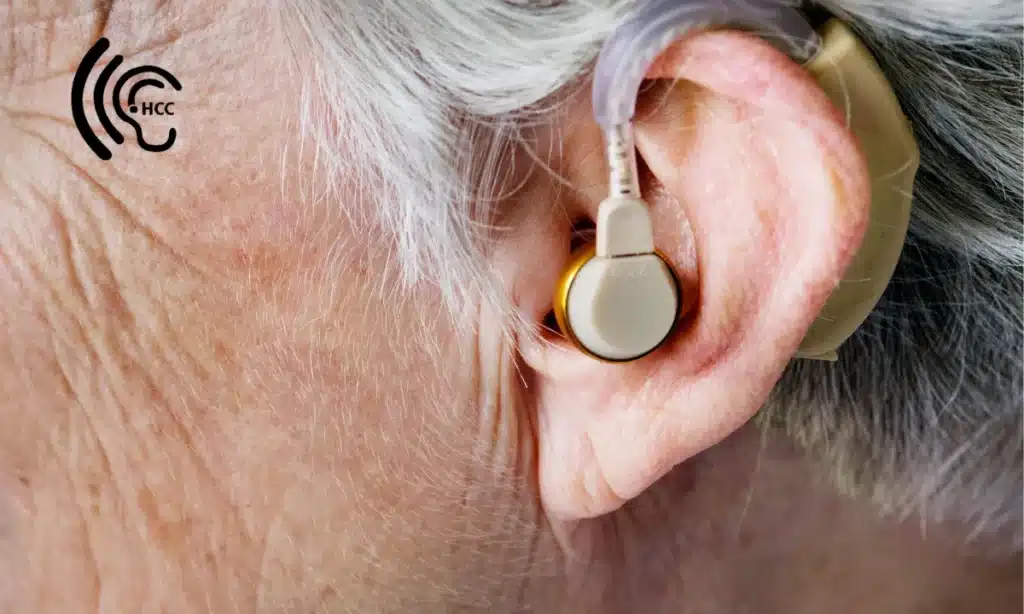
- Hearing aids with masking features.
Red flag: Pulsatile tinnitus (syncs with heartbeat) → see doctor for vascular check.
Hearing Loss (Partial or Complete)
Can be conductive (outer/middle ear), sensorineural (inner ear/nerve), or mixed.
Type | Signs | Common Causes | Solutions |
Conductive | Muffled sound, better in noise | Wax, fluid, ossicle issues | Medical/surgical fix |
Sensorineural | Difficulty with speech, high pitches | Aging, noise, genetics | Hearing aids, cochlear implants |
Sudden | One ear, <72 hrs | Virus, trauma | Urgent steroids within 2 weeks |
Screening: Free tests at clinics; baseline audiogram at age 50.
Swimmer’s Ear (Otitis Externa)
Bacterial infection of the ear canal, often Pseudomonas or Staphylococcus.
- Risk factors: Swimming, humid climates, earbuds, psoriasis.
- Symptoms: Intense itch → pain, swelling, yellow/green discharge.
- Treatment:
- Prescription ear drops (ciprofloxacin + dexamethasone).
- Pain relief (ibuprofen).
- Keep ear bone dry—use alcohol/vinegar drops post-swim.
- Prevention: Custom swim plugs, dry ears with towel tilt.
Ear Barotrauma (Pressure-Related Ear Pain)
Occurs when Eustachian tubes fail to equalize pressure (flying, diving, elevators).
- Symptoms: Pain, fullness, temporary hearing loss, bleeding (severe).
- Relief:
- Valsalva maneuver (pinch nose, gentle blow).
- Chew gum, yawn, sip water during descent.
- Decongestants 1 hr before flying (pseudoephedrine).
- Diver’s tip: Descend feet-first; avoid if congested.
Complication: Perforated eardrum → avoid water, see ENT.
Balance Disorders and Vertigo
Inner ear issues disrupt the vestibular system.
Condition | Symptoms | Causes | Solutions |
BPPV | Spinning with head turns | Crystal displacement | Epley maneuver (90% cure) |
Meniere’s | Vertigo + tinnitus + hearing loss | Fluid buildup | Low-salt diet, diuretics |
Vestibular neuritis | Constant dizziness | Viral | Vestibular rehab therapy |
Home test: If room spins when rolling in bed → likely BPPV.
Ear Injuries and Trauma
- Types:
- Slap/blast: Ruptured eardrum, ossicle dislocation.
- Q-tip injury: Canal laceration, infection.
- Skull fracture: CSF leak (clear fluid).
- First aid:
- Do not clean deep wounds.
- Cover with sterile gauze.
- ER immediately if bleeding, CSF, or facial paralysis.
Healing: Most perforations close in 6–8 weeks; surgery if not.
Congenital Ear Problems
Present at birth; detected via newborn screening.
- Microtia/atresia: Small/missing ear or canal → surgery + bone-conduction aids.
- Congenital cholesteatoma: Skin cyst in middle ear → early removal.
- Syndromic (e.g., Down, Treacher Collins): Multidisciplinary care.
Early intervention (age 3–5) maximizes speech development.
When to Seek Medical Treatment
See a doctor or audiologist if:
- Pain >48 hrs or severe.
- Fever >102°F (39°C).
- Sudden hearing loss (treat within 72 hrs).
- Pus, blood, or clear fluid drainage.
- Vertigo with vomiting or walking difficulty.
- Tinnitus with neurological symptoms (weakness, vision change).
Urgent (ER): Facial droop, double vision, stiff neck.
Final Thoughts
Ear problems range from simple (wax) to complex (Meniere’s), but most are treatable when caught early. Protect your ears: avoid loud noise, dry after swimming, never insert objects, and get annual check-ups if at risk. Your hearing and balance are irreplaceable—act fast, treat smart.
Need expert care? Visit Hearing Care Center for audiometry, microsuction, and ENT referrals—all under one roof.