Finding the right audiologist in Gulshan Dhaka can transform your hearing health and overall quality of life through expert care and advanced technology.
Schedule regular hearing screenings: Adults should get tested every 10 years, increasing to every 3 years after age 50, with routine checks for everyone over 60.
Recognize early warning signs: Difficulty understanding conversations in noise, frequently asking for repetition, or turning up TV volume indicates need for professional evaluation.
Choose established centers with proven expertise: Hearing Care Center (20+ locations since 2000) and National Hearing Care Center offer comprehensive services with qualified audiologists and modern equipment.
Embrace digital hearing aid technology: Modern devices feature Bluetooth connectivity, AI-driven noise reduction, and smartphone integration for superior hearing experiences.
Prepare properly for your appointment: Bring medication lists, previous test results, and write down questions to maximize your consultation effectiveness.
Early intervention by skilled audiologists prevents hearing loss progression and maintains your connection to family, work, and social activities. The comprehensive services available in Gulshan, from basic screenings to advanced hearing aid programming, ensure you receive personalised care matched to your specific needs and lifestyle.
You may feel overwhelmed when you’re dealing with hearing concerns that affect your daily life and need to find the best audiologists in Gulshan Dhaka.
A skilled audiologist can substantially improve your quality of life and restore normal function through timely intervention. Gulshan offers several top-tier hearing care centers. You might be searching for the best rated audiologist for a complete hearing assessment or need an experienced audiologist in Dhaka for advanced hearing aid solutions.
We’ve compiled everything about the best audiologist in Dhaka in this piece. This includes their specialties and qualifications, available technologies and booking procedures to help you make an informed decision.
Understanding Hearing Health and Audiology Care
What is an Audiologist and What They Do
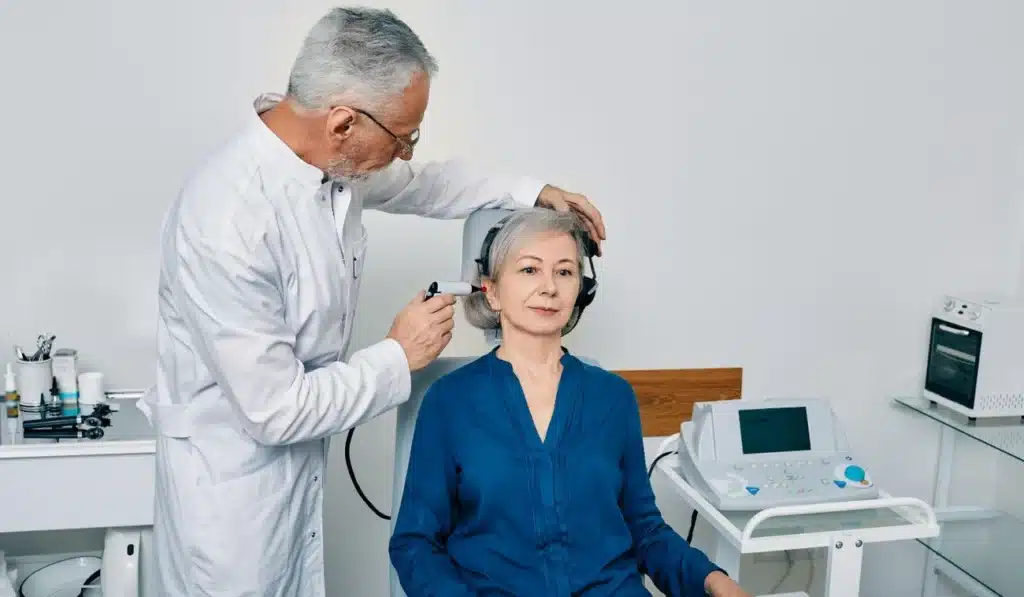
Audiologists are licensed healthcare professionals who specialize in diagnosing, managing, and treating hearing, balance, and related disorders across all age groups. Their expertise extends way beyond the reach and influence of simple hearing tests. These specialists complete substantial education, requiring a Doctor of Audiology (Au.D.) program that takes about four years after earning a bachelor’s degree, along with hands-on clinical training and state licensing examinations.
The scope of audiology covers assessment and treatment of hearing loss, balance disorders, tinnitus management, and vestibular rehabilitation. You visit an audiologist, and they get into conditions affecting the outer, middle, or inner ear and assess how well your auditory system functions. Their diagnostic capabilities include performing advanced electrophysiological tests to evaluate the auditory nerve and brain pathways.
Treatment approaches vary based on individual needs. Audiologists provide complete hearing assessments, fit and program hearing aids, counsel patients on communication strategies such as lip reading, and work with surgeons on cochlear implant cases. They also address balance problems through specialized exercises and positioning techniques to relieve symptoms like vertigo. Audiologists prescribe protective hearing devices, educate patients on preventing noise-induced damage, and contribute to research advancing the field beyond clinical work.
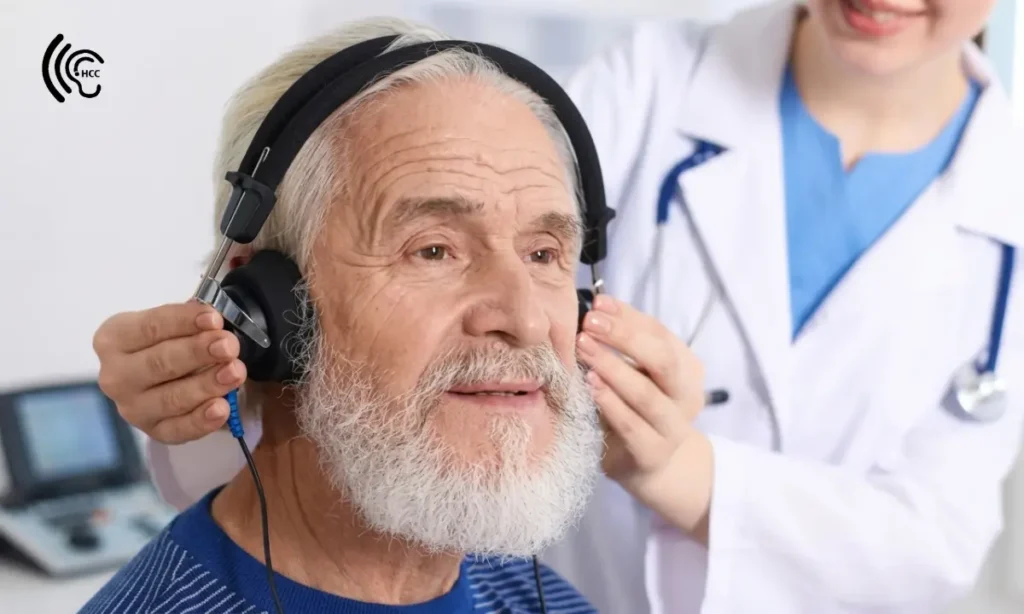
The evaluation process begins with a detailed medical and hearing history to understand symptom duration, severity, family history, medication use, and previous interventions. An otoscopic examination follows and checks for earwax buildup, inflammation, or structural abnormalities that could affect hearing. Pure tone audiometry measures the lowest intensity level at which you can detect sounds at specific frequencies between 250 and 8,000 hertz and establishes your hearing thresholds. Speech audiometry evaluates knowing how to understand words at different volumes and in various noise environments.
When to Visit a Hearing Care Center
Preventive care plays a central role in maintaining auditory health. Adults without signs of hearing loss should have their hearing screened at least once every 10 years. After age 50, screening frequency should increase to every three years. Healthcare providers recommend establishing a baseline hearing assessment at age 50, followed by regular monitoring based on individual risk factors. Everyone over age 60 should get routine hearing checks even without noticeable symptoms, as hearing loss affects other aspects of health.
Certain circumstances warrant professional evaluation right away. You work in environments with regular noise exposure, and periodic hearing tests help identify damage early before it becomes irreversible. A family history of hearing loss increases your risk and makes proactive screening worthwhile. Children require original hearing screenings at birth before leaving the hospital, or within their first three weeks if born outside a hospital setting.
Untreated hearing loss can accelerate cognitive decline. Research shows clear connections between hearing impairment and reduced quality of life, causing fatigue and disrupting meaningful interactions. Balance and vestibular issues also require audiological evaluation, as damage to the inner ear affects spatial awareness and increases fall risk.
Your entry into hearing care can occur through multiple pathways. You might contact an audiologist after recognizing concerns, receive a referral following a medical evaluation showing poor hearing signs, or respond to family members expressing worry about your apparent inattention during conversations. Primary care doctors can perform original screenings and refer you to audiologists for diagnostic testing or to ear, nose, and throat specialists for underlying conditions requiring medical treatment.
Signs You Need Professional Hearing Evaluation
Hearing problems sometimes develop faster with symptoms like ear pain, dizziness, or tinnitus signaling infection or disease. More often, hearing loss progresses slowly and goes unnoticed until someone close to you mentions difficulties conversing due to your apparent poor listening. Recognizing warning signs early allows for timely intervention.
Schedule an appointment with an audiologist if you experience:
- Difficulty understanding conversations, especially when you have noisy environments or when multiple people talk at once
- Asking others to repeat themselves or feeling that people mumble or speak unclearly
- Persistent ringing, buzzing, hissing, roaring, or chirping sounds in one or both ears (tinnitus)
- Turning TV or radio volume higher than others prefer
- Trouble hearing high-pitched sounds like doorbells, birds chirping, or women’s and children’s voices
- Straining to hear callers on the phone or needing them to repeat information constantly
- Perceiving sounds as muffled or slurred, or experiencing difficulty distinguishing between similar words
- Sensitivity to specific sounds or finding them overly loud (sound sensitivity causing discomfort)
- Avoiding social situations because of hearing difficulties
Hearing loss can show subtly at first. You might miss certain words in conversation or blend sounds together without distinguishing them. These minor issues escalate when left unaddressed. Untreated hearing loss strains personal relationships, reduces work performance through miscommunications, and contributes to social withdrawal, isolation, depression, and anxiety.
Seeing an audiologist doesn’t mean you’ll receive a hearing aid automatically. Rather, it provides answers about your auditory health status and, if intervention proves necessary, access to technology better than ever at improving quality of life. The complete testing creates a detailed audiogram mapping your hearing sensitivity across frequencies and offers a full picture of any hearing loss patterns and guides appropriate treatment strategies.
Best Rated Audiologist Centers in Gulshan Dhaka
Gulshan houses several 20+ year old hearing care facilities that serve patients from across Dhaka and beyond. These centers combine experienced audiologists, modern diagnostic equipment and personalized treatment approaches to address various hearing challenges.
Top Audiology Clinics and Specialties
Hearing Care Center stands as one of the most experienced facilities, having started operations in 2000. The center has expanded to 20 service centers throughout Bangladesh and makes hearing care available across the country. Their Gulshan head office functions as the flagship location and offers detailed audiological services through a dedicated team of professionals.
The center specializes in hearing aid prescription and dispensing, industrial hearing screening, hearing loss prevention and speech therapy. They also provide newborn hearing screening services and offer home delivery support designed for senior citizens who face mobility challenges. Their hearing test services extend to home hearing health checkups and bring professional evaluations to patients directly.
National Hearing Care Center operates from Dhanmondi and has built a reputation as a leading hearing care destination in Dhaka. The facility holds an exclusive partnership with Starkey, a world-renowned hearing aid brand, and gives patients access to high-quality international products. Their audiologists provide thorough hearing evaluations and use advanced diagnostic tools to determine the type and degree of hearing loss.
The center offers specialized tinnitus management programs designed to reduce discomfort if you experience persistent ringing or buzzing sounds. Pediatric audiology services address the unique needs of children and ensure young patients receive appropriate care with a compassionate approach. The center provides cochlear implant counseling to explore alternative solutions for patients with profound hearing loss who may not benefit from conventional hearing aids.
ENT Care Center Bangladesh in Gulshan provides specialized care for ear, nose and throat conditions. The facility uses state-of-the-art equipment, including endoscopes and audiometric tools, for accurate assessments and minimally invasive procedures. Their ear-related treatments address hearing loss through audiometry diagnosis, followed by hearing aid recommendations or microscopic ear surgery for conditions like otosclerosis.
Advanced Hearing serves a critical need in Bangladesh, where over 13 million people suffer from different levels of hearing loss. Among them, more than 3 million experience severe to profound deafness that affects daily life. The center works with a network of 800+ partner providers to guide patients toward better hearing. They carry hearing aids from all top brands and offer a 7-day risk-free trial period that allows patients to test devices before committing.
Audiologist Qualifications and Certifications
Professional audiologists at these centers bring years of expertise in diagnosing and managing hearing issues. The field requires extensive education, including doctoral degrees in audiology and clinical competence certifications. Most certifications need a Doctor of Audiology (Au.D.) degree rather than just a master’s degree.
Certification demonstrates high-level expertise and clinical competence. The American Speech-Language-Hearing Association (ASHA) governs audiology certification, with the Certificate of Clinical Competence in Audiology (CCC-A) representing the highest standards for expert-level care. Applicants must complete at least 1,820 supervised clinical practicum hours to meet certification criteria.
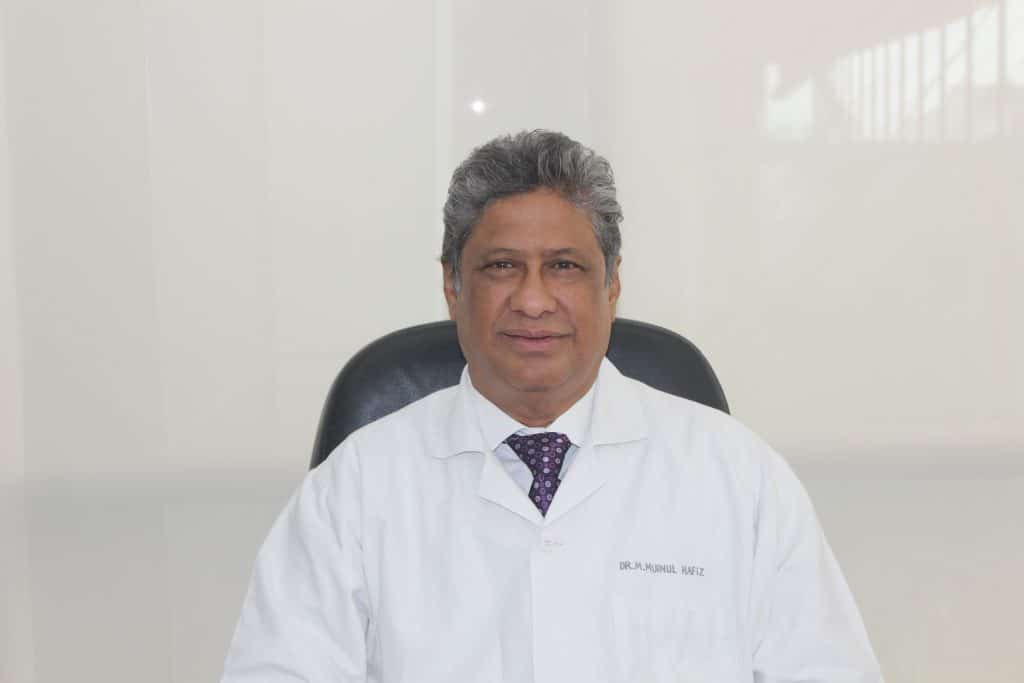
Dr. M. Muinul Hafiz at ENT Care Center brings decades of experience and holds an MBBS from Dhaka Medical College (1982) and a Diploma in Aural and Nasal Diseases. Such qualifications ensure patients receive care from professionals who stay updated with the latest advancements in ENT medicine.
Clinic Addresses and Appointment Information
Hearing Care Center operates their Gulshan head office at: Sanmar Tower-2, Road-35, House-38/A (Beside LAB Aid), Level-13, Gulshan-2, Dhaka-1212 Contact: 01955533869 Hours: Saturday through Thursday, 10:00 AM to 9:00 PM (Closed Friday and public holidays)
Advanced Hearing maintains their Dhaka office at: 24/1 Shan Tower (3rd Floor – Lift 3), Shantinagar, Chamelibag, Dhaka-1217 Contact: +8801755574799 (IMO, WhatsApp available) Email: info@advancedhearingbd.com
National Hearing Care Center serves patients from: House 1 & 2, 1st Floor, Room 247, Concord Arcadia, Dhanmondi, Dhaka 1205 Contact: +8801712522784
Advanced Technology and Equipment Available
The best audiologists in Gulshan Dhaka use innovative diagnostic equipment to ensure precise evaluations. Pure-tone audiometry and speech recognition tests provide detailed insights into each patient’s hearing condition and enable personalized care.
Modern hearing aid programming tools at these facilities deliver optimal outcomes for patients. Advanced audiometry machines measure hearing sensitivity across different frequencies and create detailed audiograms that guide treatment strategies. Real ear measurement technology ensures hearing aids are programmed properly to meet specific hearing needs.
National Hearing Care Center employs state-of-the-art diagnostic equipment that ensures accuracy in every evaluation. Their advanced technology provides detailed insights into each patient’s hearing condition, from pure-tone audiometry to speech recognition tests.
Patient Testimonials and Success Stories
Patient experiences highlight several strengths of hearing care centers in Dhaka consistently. Testimonials emphasize expertise and professionalism, advanced technology implementation, personalized care approaches and ongoing support throughout the treatment experience.
Satisfied patients praise centers not only for advanced technology but also for dedication to personalized service and long-term satisfaction. The National Hearing Care Center has earned trust and gratitude from countless people who have seen their lives transformed through its services.
Families of patients report significant improvements in communication and quality of life following treatment. The approach taken by these centers addresses not just the technical aspects of hearing loss but also the emotional toll it takes on people and their loved ones.
Common Hearing Treatments and Services Available
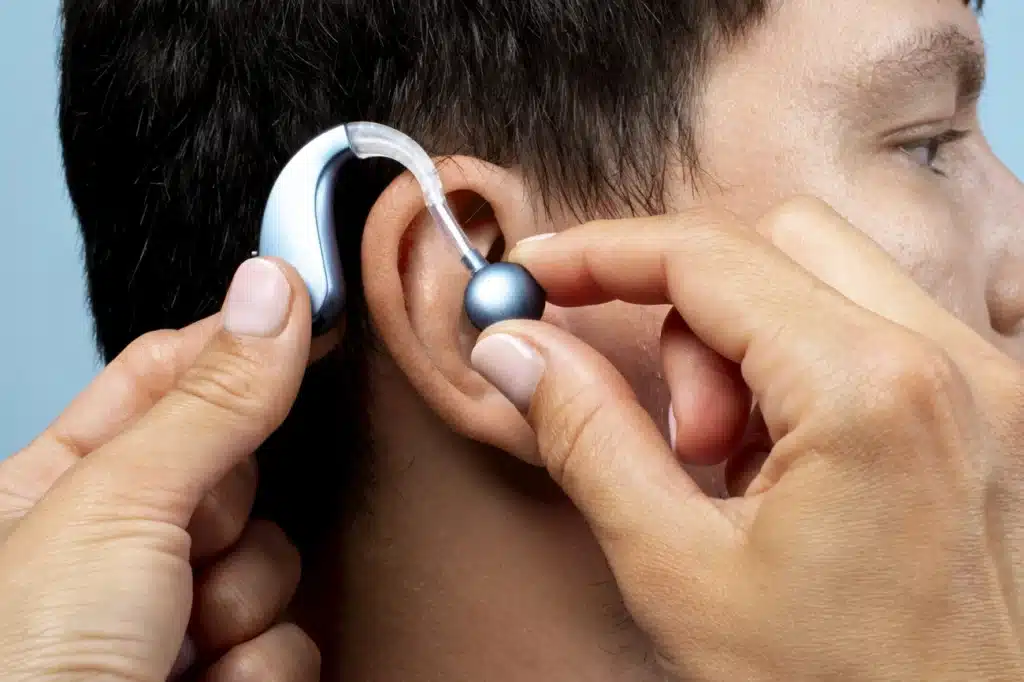
Audiology centers in Gulshan provide a full spectrum of treatments tailored to address various hearing and balance concerns. These services range from diagnostic assessments to ongoing maintenance programs that ensure optimal hearing health outcomes.
Complete Hearing Assessment
A hearing assessment involves multiple tests that get into different aspects of your auditory system. Pure-tone air and bone conduction testing measures the softest sounds you can hear at frequencies ranging from 250 to 8,000 hertz. This test establishes your hearing thresholds and identifies whether hearing loss originates from the outer, middle, or inner ear structures.
Speech audiometry assesses knowing how to understand conversational speech in different environments. The Speech Recognition Threshold (SRT) determines the faintest level at which you can recognize words half the time. The Word Recognition Score (WRS) measures how well you understand words at comfortable volumes. These measurements prove valuable especially when determining if hearing aids will benefit your specific situation.
Tympanometry assesses middle ear function by measuring eardrum movement in response to air pressure changes. This test identifies conditions like ear infections, fluid buildup, or eardrum perforation that might require medical intervention before other treatments. Otoacoustic emissions (OAE) testing assesses outer hair cells in the inner ear by detecting faint sounds the ear produces naturally. Absent emissions often indicate hearing loss and help pinpoint the location of auditory damage.
Auditory brainstem response (ABR) testing measures electrical nerve impulses that carry sound from the inner ear to the brain. Electrodes placed in your ear canal and on your head record how sound transmits along neural pathways and reveal any blockages or interruptions. This test becomes useful especially for newborn hearing screenings and patients unable to complete standard audiometry.
Hearing Aid Selection and Programming
Professional hearing aid programming goes beyond volume adjustments. Audiologists use advanced software and real ear measurement (REM) technology to verify that devices provide the correct amplification across different frequencies. This precise calibration ensures you receive specific sound boost matched to your hearing loss pattern.
Live speech mapping represents a modernized fitting technique that replaced older methods using beeps and tones. Small microphones placed in your ear canal measure the hearing aid’s response across frequencies while you listen to actual speech. This interactive approach helps audiologists find optimal settings faster and allows you to achieve maximum value from your devices sooner. You’ll be asked to bring a family member to these appointments to help gage knowing how to hear live voices.
The fitting appointment covers device insertion, battery charging or replacement procedures, and cleaning techniques. Small adjustments can be made right away if certain settings feel uncomfortable. Several follow-up appointments continue fine-tuning after you’ve experienced the hearing aids in ground situations. Studies show that maintaining a positive attitude throughout the fitting process leads to better experiences with hearing devices.
Balance and Vestibular Testing
Vestibular testing has several examinations that check how your inner ear balance system functions. Videonystagmography (VNG) and electronystagmography (ENG) measure nerve health in your brain that controls eye movements, hearing, and balance. During these tests, you’ll perform tasks like following a moving target with your eyes or moving your head into different positions while wearing goggles that record eye movements.
The rotary chair test assesses how your eyes and vestibular system work together to keep vision focused during motion. You’ll sit in a motorized chair that moves right and left while goggles record your eye movements. Video head impulse testing (VHIT) provides information on how the three semicircular canals inside your inner ear detect head movements.
Vestibular evoked myogenic potentials (VEMP) testing assesses the function of two otolith organs in your inner ear. Electrodes on your neck record muscle responses to sound signals played through headphones. These complete assessments require two hours to complete, though testing time may be shorter depending on your symptoms.
Speech and Language Therapy
Speech and language therapists work as part of multidisciplinary teams supporting individuals with hearing loss. Therapists assess listening skills, receptive and expressive language, speech production, and social communication abilities for children. Assessments get into the structure and function of lips, tongue, jaw, and palate to identify any factors affecting speech clarity.
Therapists provide families with information regarding hearing loss and typical speech development. They teach activities targeting auditory skill development and model techniques to support language at home and in the community. Rehabilitation focuses on improving communication in different situations with various conversation partners for adults experiencing hearing changes.
Custom Ear Protection
Custom earplugs require ear impressions taken by an audiologist to ensure proper fit. Musicians’ earplugs provide flat attenuation that allows you to hear sound at reduced levels and protect hearing without distorting music quality. Swim plugs prevent water from entering ear canals and float if dropped, making them ideal for swimmers and individuals with pressure equalization tubes.
Sleep plugs are designed smaller to fit comfortably even while lying on your side and create a quiet environment for uninterrupted rest. Solid protection plugs offer maximum protection up to 29 dB for high-noise environments. Filtered protection provides hearing protection up to 21 dB while still allowing conversational speech to be heard. Electronic hunting protection amplifies speech and environmental sounds while compressing high-impact noise from firearms.
Follow-up Care and Maintenance
Follow-up care after hearing aid fitting proves necessary to ensure devices work well and meet your needs. Appointments allow audiologists to monitor your progress and make adjustments based on ground experiences. You may not get the most from your investment in better hearing without regular follow-ups.
Audiologists assess device performance during follow-ups and conduct additional tests to check hearing with the aids. Based on feedback, they adjust volume, frequency response, or other settings to boost your listening experience. Appointments also address troubleshooting issues like feedback, discomfort, or unclear sound quality.
Regular maintenance has deep cleaning and checking for mechanical malfunctions.
Small component replacements like domes and tubing can improve device performance and help avoid costly total replacements. Real ear measurements ensure assistive devices still fit in your ear canal by assessing sound amplification and pressure levels.
Follow-up occurs within a few weeks after fitting to check device performance and make minor adjustments. After the adjustment period, appointments every six months to a year ensure devices continue functioning well. Keeping a journal of your experiences helps track issues or changes and guides audiologists in making necessary adjustments during appointments.
Hearing Aid Options and Technology in Gulshan
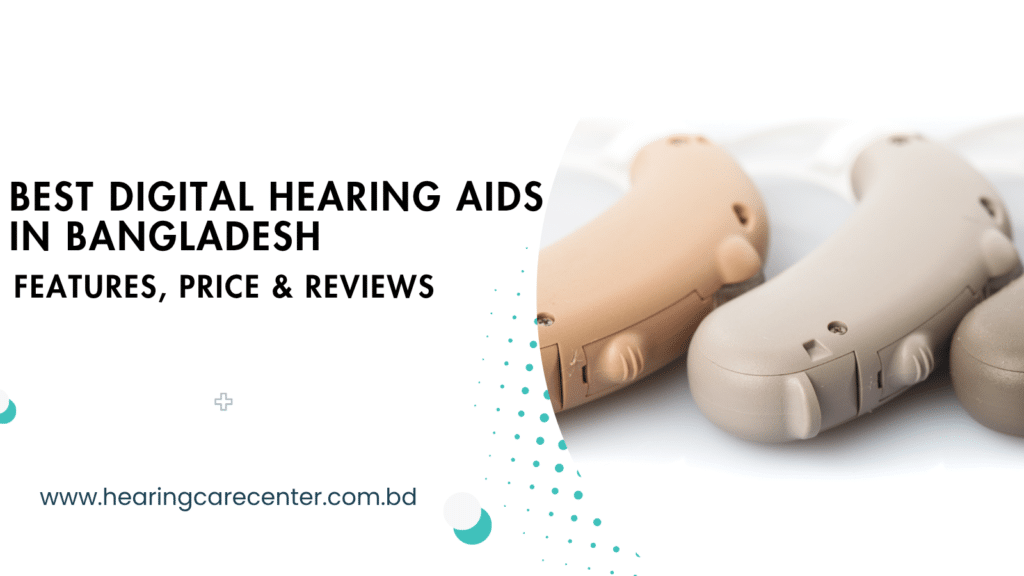
Hearing aid technology has advanced dramatically over recent years. The best audiologists in Gulshan Dhaka provide access to the latest devices tailored to individual hearing profiles. You make informed decisions about which technology best suits your lifestyle and hearing requirements when you understand your options.
Types of Hearing Aids Available
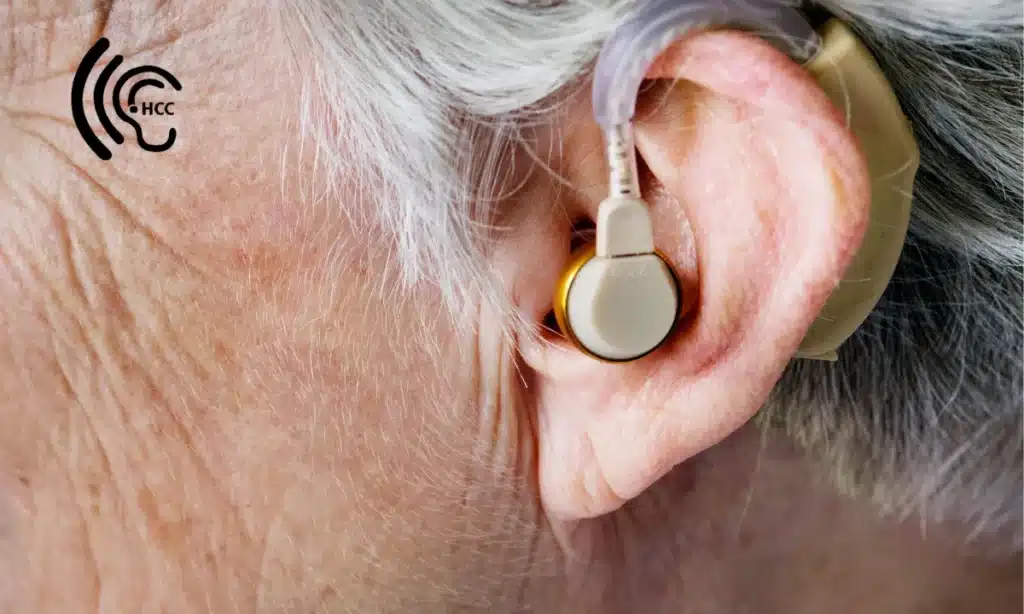
Six main styles of hearing aids serve different needs based on hearing loss severity, cosmetic priorities, and manual dexterity. Behind-the-Ear (BTE) models represent the most common style worldwide. They are available in two power levels and offer easy handling with larger batteries that provide extended life. Receiver-In-Canal (RIC) devices are small and discreet. They fit quickly, making them ideal for first-time wearers.
In-the-Ear (ITE) hearing aids fit within the outer portion of the ear as custom devices.
In-the-Canal (ITC) models sit in part within the ear canal with a smaller portion visible in the outer ear. Completely-In-Canal (CIC) devices show only a tiny removal handle outside the ear canal. Invisible (IIC) hearing aids rest in the second bend of the ear canal where no one can see them.
Digital vs Analog Hearing Aids
Hearing aids come in three main technology levels. Analog technology represents the most simple option and offers limited customization and sound adjustment. Digitally programmable technology functions as mid-range. It uses analog devices controlled through a computer or handheld programmer. Digital technology stands as the most advanced option and functions as computers designed to process sound.
Digital hearing aids offer maximum control for audiologists to fine-tune settings for optimal hearing. Noise reduction, feedback cancelation, and directional microphones are commonly included in these devices. They distinguish between different sound types and amplify speech while reducing background noise to boost listening clarity. Analog hearing aids amplify all sounds without differentiation. This can result in less clarity in noisy environments but may appeal to longtime analog users comfortable with that sound quality.
Behind-the-Ear and In-the-Ear Models
BTE hearing aids accommodate various ear sizes and include telecoil features that allow direct sound reception while reducing background noise in public venues like theaters. Their larger size permits high-tech features and upgraded battery power that provides extended usage. They also offer powerful amplification suitable for severe hearing loss. These devices provide continuous connection through Bluetooth and compatibility with smart devices.
ITE hearing aids provide several advantages due to their custom-molded fit. They include larger and more powerful amplifiers suitable for users with more severe hearing loss levels. Controls situated on the casing itself make them easier to use than smaller aids. This proves beneficial for users with dexterity issues or visual impairments. Standard telephone use remains possible without holding the phone differently compared to BTE models.
Bluetooth Enabled Smart Hearing Aids
Bluetooth hearing aids bridge the gap between your hearing aids and other digital devices. They allow direct audio streaming from Spotify or Netflix, taking phone calls through both aids, and controlling digital assistants like Siri. Phonak Audéo Infinio delivers universal Bluetooth connectivity with AI-driven speech separation from noise. It offers two active Bluetooth connections and pairing capabilities for up to eight different devices.
Oticon Intent builds upon advanced features with Bluetooth audio streaming and access to deep neural network technology. It is compatible with both Apple and Android devices for wireless streaming and two-way hands-free calling. ReSound Vivia features Bluetooth LE Audio and employs Auracast broadcast technology. It packs flagship AI processing into one of the smallest microRIE designs tested. Jabra Enhance Select 700 offers excellent wireless connectivity through Bluetooth LE Audio. Audio streaming and hands-free calling are available on select iOS and Android devices.
Booking Your Appointment with Best Audiologist in Dhaka
Scheduling your appointment with the best audiologists in Gulshan Dhaka involves several convenient options designed to accommodate different priorities and urgency levels.
Online Appointment Booking Process
The clinic locator at hearingcarecenter.com.bd helps you find nearby specialists offering same-day appointment options. National Hearing Care Center accepts appointments through their contact number +8801712522784 and connects you directly with their Dhanmondi facility. Most centers respond to phone calls asking about appointments and can arrange consultations based on your availability.
Walk-in Consultation Options
Several hearing care centers accommodate walk-in patients, though scheduled appointments ensure shorter waiting periods. Contact the clinic beforehand to confirm their walk-in policy for that particular day and reduce uncertainty about availability.
What to Bring to Your First Visit
Compile a complete list of medications you take, as some can affect hearing or balance. Bring previous hearing test results or ear treatment records if available, along with insurance cards and photo identification. Write down questions beforehand so you don’t forget important concerns during the appointment. Bringing a friend or family member provides support and helps remember the audiologist’s recommendations.
Average Waiting Times and Schedules
A hearing test takes around 15 minutes to 1 hour depending on what tests you need. You receive results at the end of the appointment, with the specialist discussing findings and advising if you need more tests. Ask your GP or practice nurse to check that your ears are clear of wax before your visit, as most audiology centers don’t provide wax removal services.
Emergency Hearing Care Services
Shono Bangladesh provides emergency care for sudden hearing issues or urgent concerns related to ear conditions and remains just a call away to address immediate needs. Contact an expert audiologist nearby without delay when experiencing rapid hearing changes or acute ear problems.
Conclusion
You can find the best audiologist in Gulshan Dhaka without much hassle now that you understand your options. The centers mentioned in this piece offer complete care. They provide original assessments and advanced hearing aid technology. They also give ongoing support. Keep in mind that addressing hearing concerns early prevents further complications and improves your quality of life by a lot.
Pick a facility that matches your specific needs. You might require pediatric services or tinnitus management. Maybe you just need a routine evaluation. Hearing problems get worse over time. Reach out to these experienced professionals today and take the first step toward better hearing health.
FAQs
What are the top hearing aid brands available in Gulshan, Dhaka?
Several premium hearing aid brands are available through audiologists in Gulshan, including Phonak, Oticon, ReSound, Starkey, Signia/Siemens, and Jabra. These brands offer advanced features like Bluetooth connectivity, AI-driven noise reduction, and customizable programming to suit different hearing loss levels and lifestyle needs.
How much does a hearing test typically cost in Bangladesh?
A basic hearing test in Bangladesh costs approximately BDT 1,000–2,500. More comprehensive audiometric evaluations, which include advanced tests like tympanometry or otoacoustic emissions (OAE), range from BDT 2,500–5,000. Specialized diagnostic tests such as auditory brainstem response (ABR) may cost between BDT 5,000–10,000 depending on the complexity.
What does 40% hearing loss mean?
A 40% hearing loss falls into the moderate hearing loss category. At this level, individuals typically struggle to understand normal conversation without amplification, especially in noisy environments. They may frequently ask others to repeat themselves and find it difficult to hear softer sounds like whispers or distant speech. Hearing aids are usually recommended at this stage.
How often should I schedule follow-up appointments after getting hearing aids?
After your initial hearing aid fitting, the first follow-up appointment typically occurs within a few weeks to check device performance and make minor adjustments. Once the adjustment period is complete, regular appointments every six months to one year are recommended to ensure your hearing aids continue functioning optimally and to address any changes in your hearing needs.
What should I bring to my first audiology appointment?
For your first visit, bring a complete list of current medications, any previous hearing test results or ear treatment records, insurance cards, and photo identification. It’s also helpful to write down questions beforehand and consider bringing a family member or friend for support and to help remember the audiologist’s recommendations.