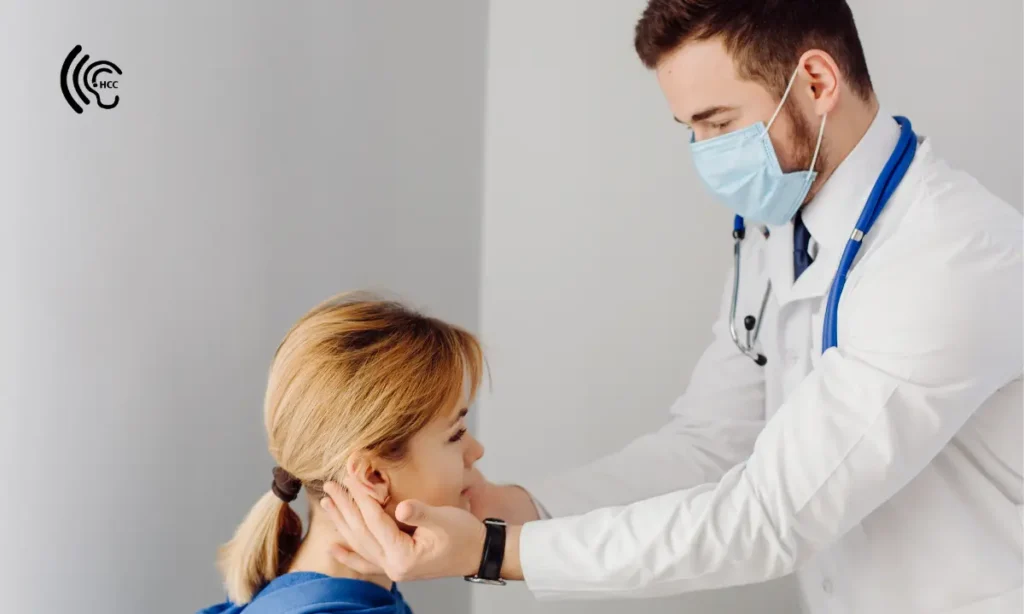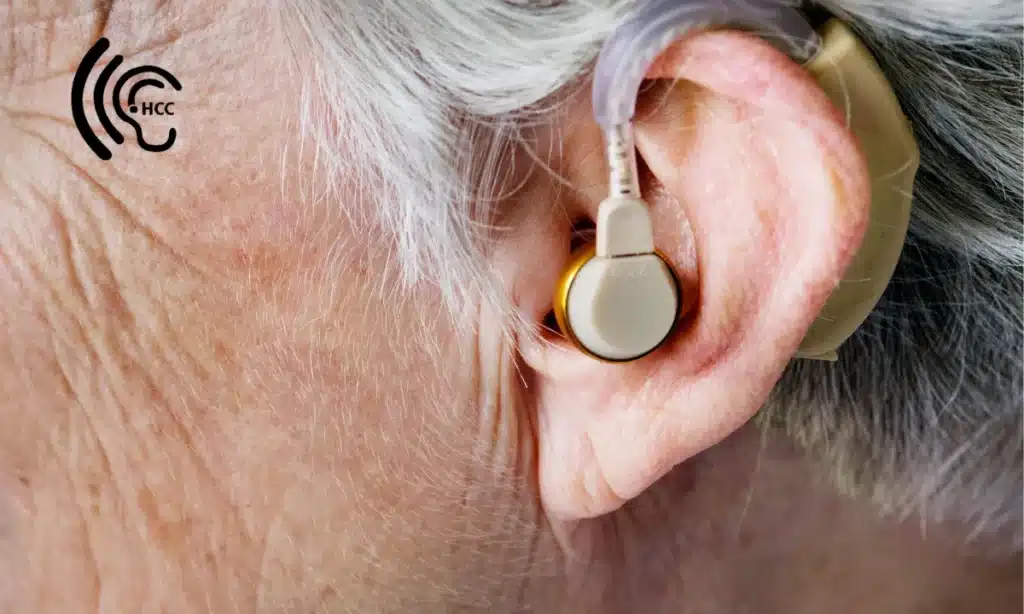

Hearing care is much more than just “getting your ears checked.” It is the complete practice of protecting, maintaining, restoring, and improving your ability to hear and communicate throughout life. It combines prevention, early detection, professional treatment, and the use of advanced technology (like hearing aids) to keep you connected to the world of sound.
Here’s everything you need to know about hearing care in one place:
1. What is a Hearing Care Professional?
A hearing care professional is a trained specialist dedicated to your auditory health. The most common types are:
- Audiologist – University-trained expert who diagnoses hearing loss, performs detailed tests, fits hearing aids, and provides rehabilitation.
- ENT (Ear, Nose & Throat) Doctor – Medical doctor who treats ear diseases, infections, and structural problems.
- Hearing Instrument Specialist – Focuses on selecting and fitting hearing aids.
- Audiology Assistant / Hearing Care Technician – Supports testing and follow-up care.
These professionals work together to give you the best possible outcome.
2. How to Take Care of Your Hearing (Daily Prevention)
- Keep volume below 60% on headphones and take listening breaks.
- Wear proper ear protection in noisy places (concerts, factories, shooting ranges).
- Never insert cotton buds or sharp objects into the ear canal.
- Keep ears dry after swimming to avoid infections.
- Eat a hearing-friendly diet rich in omega-3, zinc, magnesium, and antioxidants.
- Exercise regularly – good blood flow protects the inner ear.
3. What Are the 4 Types of Hearing Loss?
- Conductive – Problem in the outer or middle ear (wax, fluid, infection). Usually treatable or reversible.
- Sensorineural – Damage to the inner ear or auditory nerve (noise exposure, aging, drugs). Usually permanent.
- Mixed – Combination of conductive and sensorineural.
- Auditory Processing Disorder (APD) – Brain struggles to interpret sounds even when ears work normally (common in children).
4. The 10 Importance of Hearing
- Communication with family and friends
- Safety – hearing alarms, traffic, warnings
- Enjoyment of music, nature, and movies
- Child development – speech and language learning
- Professional success – clear conversations in meetings
- Emotional well-being – reduces isolation and depression
- Cognitive health – untreated loss increases risk of dementia
- Balance – inner ear helps prevent falls
- Social confidence and independence
- Overall quality of life
5. How to Care for Hearing Protection Devices
- Clean earplugs daily with mild soap and water; let them air-dry.
- Replace foam earplugs after a few uses.
- Store custom earplugs in their case.
- Check hearing aid earmolds weekly – wash with warm soapy water (never submerge the hearing aid itself).
- Change wax filters and domes regularly.
6. How Do You Know If You Have a Hearing Problem? (Common Signs)
- People seem to mumble or speak unclearly
- Frequently asking others to repeat themselves
- Turning up the TV volume louder than others like
- Difficulty hearing in noisy restaurants or family gatherings
- Ringing or buzzing in the ears (tinnitus)
- Feeling exhausted after social events because listening is hard
- Missing phone calls or doorbells
If two or more apply to you, get a hearing test.
7. When Should You Visit a Hearing Specialist?
- Immediately – if hearing loss is sudden in one or both ears
- Within a few weeks – if you notice gradual changes or persistent tinnitus
- Every year – if you are over 55, work in noise, or have diabetes/high blood pressure
- For children – at any age if speech is delayed or they don’t respond to sounds
Early intervention gives the best results.
8. How Do Hearing Aids Help with Hearing Loss?
Modern hearing aids do far more than “make things louder”:
- Amplify only the frequencies you’ve lost
- Reduce background noise automatically
- Stream phone calls and music directly
- Connect to TV and remote microphones
- Help the brain re-learn how to process speech
- Slow cognitive decline linked to untreated hearing loss
- Most users report improved confidence and relationships within weeks
9. What Causes Hearing Loss in Adults and Children?
Adults:
- Loud noise exposure (biggest preventable cause)
- Aging (presbycusis)
- Earwax or fluid buildup
- Ototoxic medications (some antibiotics, chemotherapy)
- Diabetes, high blood pressure, smoking
Children:
- Frequent ear infections (otitis media)
- Congenital conditions (present at birth)
- High fever or meningitis
- Genetic factors
- Premature birth or low oxygen at birth
10. How Does Hearing Loss Affect Daily Life and Communication?
- Strained relationships – partners feel ignored
- Social withdrawal and loneliness
- Higher risk of depression and anxiety
- Reduced job performance and income
- 3–5 times greater risk of dementia
- Increased chance of falls and accidents
- Misunderstandings and frustration in conversations
The good news: most of these effects can be reversed or prevented with proper hearing care.
Final Thought
Hearing care is not just about your ears – it’s about staying connected to the people and experiences you love. Protect your hearing today, detect problems early, and treat them effectively with professional help.
Your world sounds better when you take care of your hearing.
Hearing Care Center Bangladesh
Professional Audiology & Hearing Aid Services