A Comprehensive Guide to Effectively Using Hearing Aids
Amplifiers are fundamental apparatuses that incredibly upgrade the personal satisfaction for those encountering hearing misfortune. Nonetheless, effective utilization of amplifiers includes something beyond choosing the right gadget; it requires dominating the strategies for legitimate utilization. From initial setup to daily care and troubleshooting, this article provides an in-depth guide to using hearing aids effectively.
Picking the Right Hearing Aid
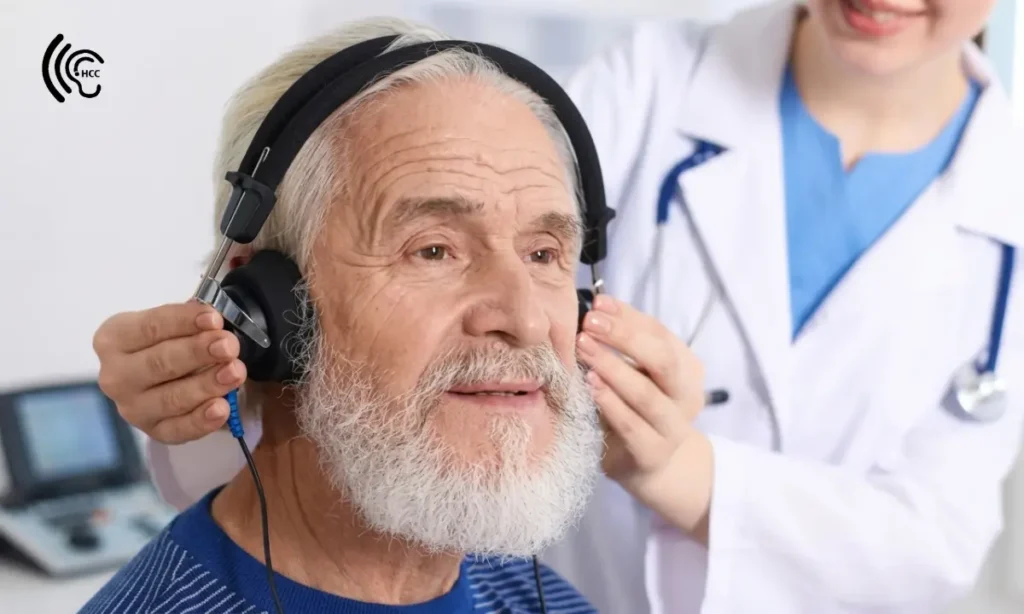
The excursion to effective portable amplifier use starts with choosing the right gadget. It is essential to meet with an audiologist to discuss the nature and severity of one’s hearing loss and select a hearing aid that meets one’s specific requirements. Factors like style (BTE, ITE, CIC), elements, and similarity with way of life assume a critical part in this choice.
Fitting and Adjustment
When the portable hearing assistant is chosen, a legitimate fitting is fundamental. The audiologist guarantees the gadget fits easily and safely, making important changes for ideal execution. During the underlying fitting, the amplifier is modified to address explicit hearing requirements, with criticism from the client helping tweak the settings.
Grasping Portable amplifier Components
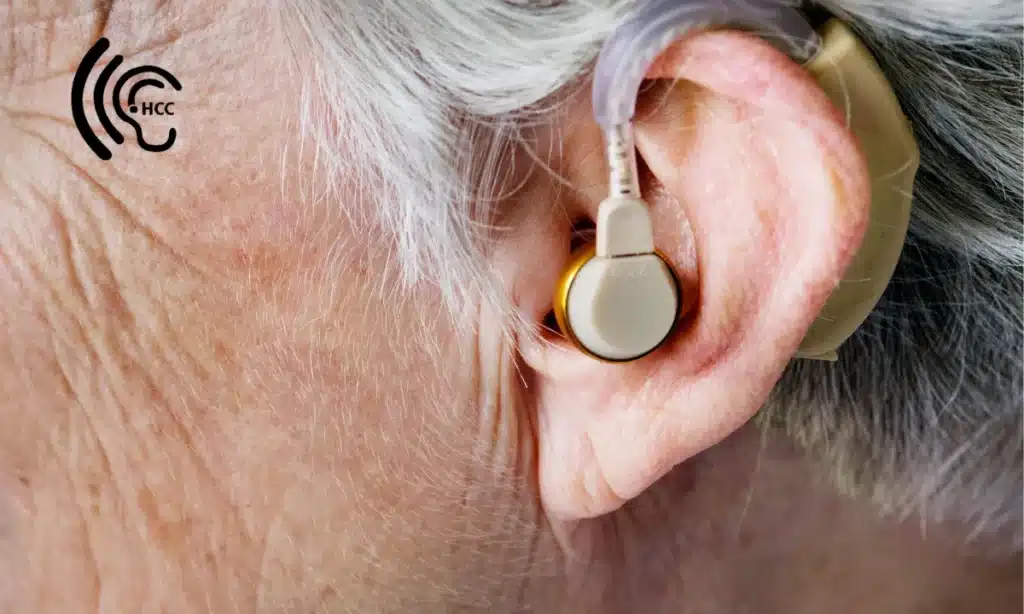
Getting to know the portable hearing assistant parts is urgent. This remembers understanding the mouthpiece’s capability for getting sounds, the speaker’s job in improving sound signals, the recipient’s capability in conveying enhanced sounds, and the battery compartment. Highlights like volume controls, program buttons, and availability choices ought to likewise be perceived.
Overseeing Batteries
Portable amplifiers commonly utilize expendable or battery-powered batteries. Realizing the battery type, understanding how to embed and supplant them, and keeping spare batteries available are fundamental practices. Assuming battery-powered batteries are utilized, it is essential to follow suggested charging rehearses.
Insertion and Removal
Proper insertion and removal of hearing aids contribute to comfort and effectiveness. Washing hands before handling the devices, holding them by the edges during insertion, and ensuring a secure fit are important practices. Careful removal is necessary to avoid damage.
Understanding Hearing Aid Settings
Hearing aids often come with different settings or programs designed for various listening environments. Familiarity with these settings and knowing when to switch between them is important. Programs may include settings for quiet environments, noisy surroundings, and telecoil options for compatible devices.
Volume Control
Learning to adjust the volume is a fundamental skill. Starting with a comfortable volume level and gradually increasing it as needed is advised. Setting the volume too high should be avoided, as it may cause discomfort or distortion. Practicing volume adjustments in different environments helps find the optimal setting for each situation.
Practicing Listening in Different Environments
Adapting to hearing aids takes time, and practicing listening in various environments is crucial. Starting in a quiet setting and gradually exposing oneself to more challenging situations, such as noisy restaurants or group gatherings, helps the brain adapt to amplified sounds.
Communication Strategies
Informing others about the use of hearing aids is important. Encouraging clear speech and direct face-to-face communication enhances understanding. In group settings, strategic positioning for optimal hearing and requesting repetitions or clarifications when needed are encouraged.
Using Network Features
Numerous advanced portable hearing assistants offer network highlights, permitting them to remotely associate with cell phones, televisions, and different gadgets. Figuring out how to coordinate portable hearing assistants with these gadgets for direct sound streaming upgrades the listening experience and works with better correspondence.
How to Care for Your Hearing Aids
Appropriate upkeep is vital for portable hearing assistant life span and execution. Normal cleaning with a delicate, dry material to eliminate earwax and flotsam and jetsam is suggested. Trying not to water or clean answers for forestall dampness harm is significant. Additionally, professional cleaning and maintenance inspections should be performed on a regular basis.
Tending to Input and Whistling
Listening device criticism, portrayed by a whistling sound, may happen because of different reasons. Checking for earwax, guaranteeing a legitimate fit, and changing the volume can address input issues. Constant issues ought to be examined with an audiologist for additional changes.
Investigating Normal Issues
Knowing how to investigate normal portable hearing assistant issues, like twisted sound or battery issues, is significant. Most producers give client guides investigating tips. If issues persist, it is advised to seek professional assistance.
Regular examinations of the ear
Booking customary check-ups with an audiologist is essential for observing hearing wellbeing and guaranteeing portable hearing assistants keep on addressing individual requirements. In order to make the necessary adjustments or upgrades to the devices, audiological evaluations allow for the detection of any changes in hearing.
Tolerance and Persistence
Adjusting to listening devices is a steady interaction that requires tolerance and perseverance. Beginning distress or difficulties are normal, however with steady use and time, people frequently report critical enhancements in correspondence and in general prosperity.
Conclusion
Dominating the utilization of listening devices includes a mix of specialized information, correspondence systems, and determination. By picking the right portable amplifier, grasping its parts, and following prescribed procedures for support and use, people can augment the advantages of these gadgets. Ordinary correspondence with audiologists, progressing practice in different listening conditions, and a proactive way to deal with resolving issues add to a fruitful and satisfying involvement in portable hearing assistants. With responsibility and legitimate direction, listening devices can enable people to reconnect with the universe of sound, prompting a more dynamic and drawn in way of life.
FAQs
- How would I pick the right amplifier for my needs?
Choosing the right listening device includes an interview with an audiologist to decide the sort and level of hearing misfortune. Think about variables like the style of the portable hearing assistant (BTE, ITE, CIC), highlights, and similarity with your way of life and inclinations.
- How would it be advisable for me I respond on the off chance that my portable hearing assistant whistles or gives feedback?
In the event that your listening device creates a whistling sound or criticism, check for earwax, guarantee a legitimate fit, and change the volume. On the off chance that issues continue, talk with your audiologist for additional changes.
- How might I keep up with the cleanliness of my hearing aids?
Clean your hearing aids on a regular basis with a damp, soft cloth to remove debris and earwax. Abstain from utilizing water or cleaning answers for forestall dampness harm. Plan standard expert check-ups for cleaning and upkeep.
- Is it typical to encounter introductory uneasiness or difficulties while utilizing hearing aids?
Indeed, it is typical to encounter starting distress or difficulties while adjusting to portable amplifiers. With reliable use and time, people frequently report huge upgrades in correspondence and generally prosperity.
- How frequently should I have my hearing aids examined by an audiologist?
Customary check-ups with an audiologist are significant for observing hearing wellbeing and guaranteeing that your listening devices keep on addressing your necessities. These check-ups consider changes or moves up to the gadgets in view of changes in your hearing.