Examining Treatments for Hearing Loss: A Comprehensive Overview
Hearing loss is an inescapable condition that essentially influences the personal satisfaction for some people. Luckily, headways in clinical science and innovation have made ready for different treatment choices, tending to hearing impedance and upgrading generally speaking hear-able capability. This article dives into the different ways to deal with treating hearing loss, going from clinical intercessions and surgeries to assistive gadgets and restoration treatments.
Treatment options
- Aids for Hearing:
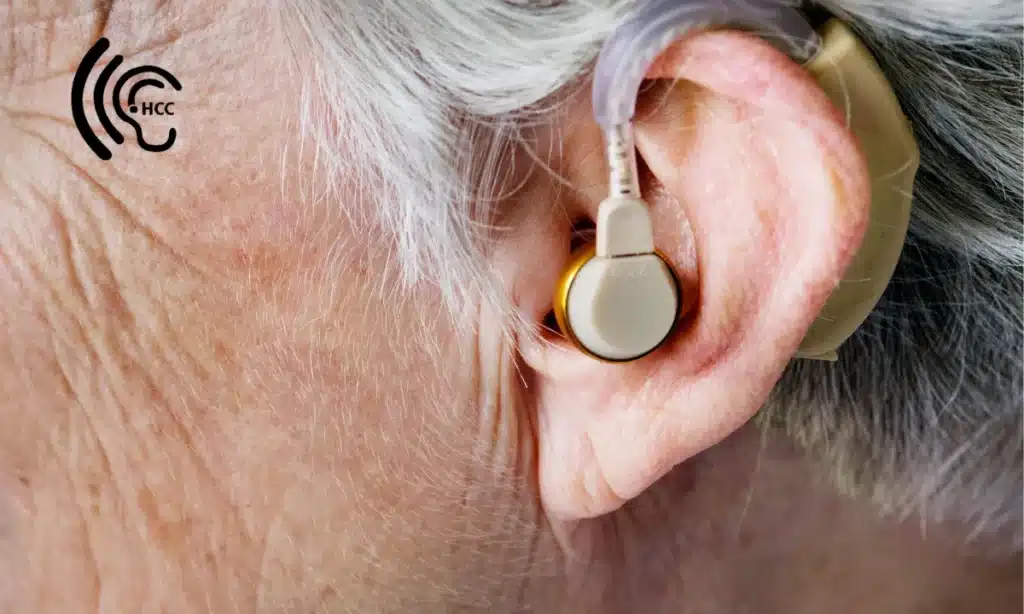
Among the most widely recognized medicines for gentle to direct hearing loss are amplifiers. These little electronic gadgets intensify sounds, making it more straightforward for people to hear and grasp discourse and different sounds. With different styles like behind-the-ear (BTE) and in-the-ear (ITE), listening devices offer adaptable answers for various inclinations and levels of hearing loss.
- Cochlear Implants:
Cochlear inserts are complex electronic gadgets carefully embedded in the inward ear, helping those with serious to significant hearing loss. By straightforwardly animating the hear-able nerve, cochlear inserts sidestep harmed hair cells in the inward ear, essentially further developing discourse cognizance and sound mindfulness in unambiguous cases.
- Hearing Aids with Bone Anchories (BAHA):
BAHA is a listening device that sends sound vibrations through the skull issues that remains to be worked out inward ear. This technique is invaluable for those with conductive hearing loss or single-sided deafness. Precisely embedded, BAHA includes a little titanium embed and a connected sound processor, beating issues in the external or center ear.
- Medications:
Certain types of hearing loss, such as those brought on by infections or autoimmune disorders, may benefit from medical treatment. Anti-toxins can address bacterial ear diseases, while corticosteroids might oversee aggravation connected with explicit hearing weaknesses. Recognizing the basic reason is pivotal for deciding the fitting medicine.
Careful Intercessions
- Stapedectomy:
Stapedectomy is a surgery for getting conductive hearing loss due otosclerosis, unusual bone development in the center ear. This procedure improves sound wave transmission to the inner ear by replacing the stapes bone with a prosthesis.
- Tympanoplasty:
Tympanoplasty is a careful answer for fixing a punctured eardrum or recreating center ear structures. The eardrum and middle ear are affected by a variety of conditions, including trauma, chronic ear infections, and hearing loss.
- Surgery for a Cochlear Implant:
Cochlear embed a medical procedure includes the implantation of electronic gadgets in the inward ear, helping people with serious to significant sensorineural hearing loss lethargic to conventional listening devices.
- Implants in the middle ear:
Middle ear implants, which are placed surgically and directly stimulate the structures in the middle ear, offer an alternative for people who do not benefit from conventional hearing aids. These implants improve hearing by enhancing sound transmission through the middle ear.
Assistive Listening Gadgets (ALDs)
- FM Equipment:
Recurrence Balance (FM) frameworks comprise of a transmitter mouthpiece for the speaker and a recipient for the audience. Especially helpful in conditions with foundation commotion, FM frameworks benefit settings like homerooms or enormous social affairs.
- Inscribed Telephones:
During phone conversations, captioned telephones display written captions, assisting those with hearing loss and ensuring inclusive communication.
- Alarming Devices:
Cautioning gadgets utilize visual or vibratory signs to tell people with hearing loss of pivotal sounds like doorbells, smoke alerts, or phone rings, upgrading wellbeing and mindfulness.
Therapy and rehabilitation for hearing
- Hear-able Training:
Exercises designed to improve the brain’s ability to process and interpret sound are part of auditory training. Valuable for people with sensorineural hearing loss, this treatment expands the utilization of leftover hearing.
- Discourse Language Therapy:
Speech-language therapy improves communication skills, speech clarity, and language comprehension by addressing speech and language difficulties brought on by hearing loss.
- Directing and Backing Groups:
Adapting to hearing loss can genuinely challenge. Guiding and support bunches offer significant assets for people and their families, assisting them with dealing with the mental and social parts of hearing hindrance.
Conclusion
The treatment scene for hearing loss has developed fundamentally, giving a scope of choices customized to individual requirements and the idea of the consultation hindrance. From clinical mediations like listening devices and cochlear inserts to surgeries, for example, stapedectomy and tympanoplasty, the field keeps on progressing. These interventions are complemented by a variety of therapies and assistive listening devices, providing a comprehensive strategy for addressing the numerous challenges posed by hearing loss. With continuous innovative and research progressions, what’s to come holds guarantee for upgraded hear-able capability and a better personal satisfaction for people with hearing loss
FAQs
What is the job of assistive listening gadgets (ALDs) in treating hearing loss?
ALDs, like FM frameworks, subtitled phones, and cautioning gadgets, supplement conventional medicines by offering extra help in different conditions. These gadgets improve correspondence and security for people with hearing misfortune.
Could a medical procedure at any point assist with treating hearing misfortune, and what are the normal careful interventions?
Careful mediations, like stapedectomy, tympanoplasty, cochlear embed a medical procedure, and center ear inserts, assume a significant part in treating explicit kinds of hearing misfortune. These techniques address issues in the ear structures, meaning to work on by and large hear-able capability.
How do hear-able preparation and discourse language treatment add to hearing rehabilitation?
Hear-able preparation includes activities to improve the mind’s capacity to process and decipher sound, helping people with sensorineural hearing misfortune. Discourse language treatment centers around tending to discourse and language challenges related with hearing misfortune, further developing relational abilities, discourse lucidity, and language perception. The two treatments add to far reaching hearing restoration.