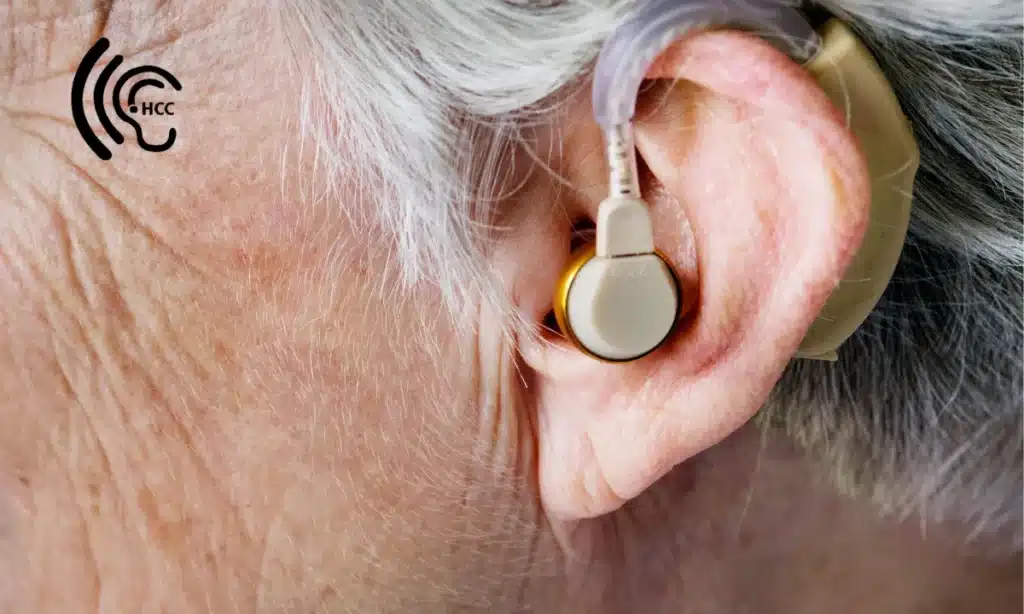
Exposure to loud noise is the most common cause of hearing loss. Other causes include aging and genetic factors contributing to low hearing levels.
Hearing loss can be acquired over time due to prolonged exposure to loud environments. Individuals working in noisy settings are particularly at risk. Hearing loss common cause can also be congenital, present at birth due to genetic or environmental factors. It is essential to be aware of these common causes to take preventive measures and protect one’s hearing health.
Regular screenings and minimizing exposure to loud noise are vital for maintaining good hearing throughout one’s lifetime. Understanding the factors contributing to hearing loss common cause can help individuals make informed choices to preserve their auditory abilities.
Common Causes Of Hearing Loss
There are many hearing loss causes like some people are born with low hearing. The most common causes are ageing and being exposed to loud noise. Options for fixing mild sudden hearing loss include removing earwax, surgery for certain types of hearing loss, hearing aid, and cochlear implants.
Age related hearing loss, known as presbycusis, is a gradual loss of hearing that occurs as people get older. It is a common condition among older adults and can make it difficult to hear high-pitched sounds or understand conversations in noisy environments. Treatment options for age related hearing loss include hearing aid, assistive listening devices, and cochlear implants. Regular ear check-ups and avoiding loud noise can help prevent further deterioration of hearing.
People with hearing loss common cause may repeat themselves as they may not notice it happening. Development of sudden hearing loss is indicated by frequently asking for repetition and having trouble following conversations. In a crowded room with background noise, individuals with hearing problem may struggle to hear conversations clearly, leading them to frequently ask for repetition. This can be frustrating for both the person with hearing problem and those trying to communicate with them. It is important to be patient and understanding in these situations, as the individual may not even realize they are asking for repetition due to background noise.
Individuals with communication disorders, such as noise induced hearing loss, may struggle with repeating themselves without realizing it due to not noticing their own speech patterns. This can be a common sign of the development of noise induced hearing loss, as individuals may frequently ask for repetition and have difficulty following conversations. It is important for those experiencing these symptoms to seek evaluation and support from healthcare professionals specializing in communication disorders.
Ear infection can sometimes lead to mixed hearing loss, making it difficult for individuals to follow conversations and causing them to ask for repeated clarification. This can be frustrating for both the person experiencing the infection and those trying to communicate with them. It’s important to seek medical attention if you suspect you have an ear infection, as prompt treatment can help prevent further complications like mixed hearing loss.
Loud sounds from various sources like lawn mowers, snow blowers, or loud music is a common cause of hearing loss and can result in permanent damage to the inner ear. Other causes include damage to the inner ear due to aging and loud sounds.
One of the common cause is congenital hearing loss. This type of hearing loss is present at birth and can be caused by genetic factors or complications during pregnancy or childbirth. it can vary in severity, with some individuals experiencing mild hearing loss while others are born deaf. Early intervention and appropriate treatment can help individuals with congenital hearing loss lead fulfilling lives and communicate effectively.
These are the most common hearing loss causes.
Impact Of Hearing Loss
Hearing loss can have a significant impact on communication, leading to various challenges in daily life. Individuals with hearing loss common cause may find it difficult to understand conversations, especially in noisy environments or when talking on the phone.
One of the major consequences of moderate hearing loss is social isolation. People with moderate hearing loss may become withdrawn and avoid social gatherings due to the difficulties they face in understanding and participating in conversations. This can lead to feelings of loneliness and affect their overall well-being.
Individuals with severe hearing loss may struggle to communicate effectively in social situations, leading to feelings of isolation and loneliness. It is important for them to seek support from friends, family, and professionals to improve their quality of life and prevent social withdrawal. Taking proactive steps such as using hearing aids or learning sign language can also help individuals with severe hearing loss stay connected and engaged in their communities.
If left untreated, ear infections can also result in hearing loss which can cause social isolation and impact overall well-being. It is important to seek medical attention promptly if you suspect an ear infections to prevent potential long-term consequences.
Conductive hearing loss, which occurs when sound waves cannot effectively reach the inner ear, can exacerbate feelings of social isolation in individuals. Without proper intervention and treatment, those with conductive hearing loss may struggle even more in social situations, compounding the negative impact on their mental health and quality of life.
Studies have shown a higher prevalence of depression and anxiety among individuals with hearing loss. The constant struggle to communicate and the potential loss of independence can contribute to these mental health issues.
It is important to address hearing loss common cause and provide appropriate support and interventions to minimize the impact on individuals’ lives. This can include the use of hearing aids, assistive listening devices, and communication strategies to improve communication and promote social engagement.
Prevention And Treatment
The most common cause of hearing loss is exposure to loud noise, which damages the inner ear, leading to permanent loss. Other factors include aging and certain health conditions. Prevention and treatment options may include avoiding loud environments and using hearing aids or cochlear implants for management.
| People with hearing loss may have trouble following conversations and often ask for repeats. |
| Hearing loss can be caused by loud noise exposure, aging, and some health conditions. |
| Damaged hair cells in the inner ear do not regenerate, so prevention is key. |
| Options for treating hearing loss include hearing aids and cochlear implants. |
| Regular check-ups can help in early detection and management of hearing loss. |
| Protecting against noise-induced hearing loss is crucial for overall ear health. |
Addressing Hearing Loss In Different Settings
Hearing loss can be caused by various factors, such as ageing, loud noise exposure, health conditions, and even genetics. In workplace settings, accommodations like noise reduction equipment and communication devices can benefit employees with hearing impairment. Educational support involves implementing sound amplification systems and providing note-taking assistance for students with hearing loss common cause. Community services and support groups play a significant role in providing social and emotional support for individuals dealing with hearing impairment.
Challenges In Addressing Hearing Loss
Stigma and Misconceptions: Society often stigmatized individuals with hearing loss, leading to feelings of isolation and low self-esteem. Misconceptions about hearing loss can further hinder communication and understanding.
Lack of Accessibility and Affordability: Many individuals with hearing loss struggle to access appropriate support and resources due to physical barriers and financial constraints. Limited availability of hearing aids and assistive technologies also adds to the challenges they face.
Future Trends In Hearing Loss Management
The most common reason for hearing loss can be attributed to several factors. One of the primary causes is the natural aging process, which can lead to a decline in auditory function over time. Additionally, prolonged exposure to loud noise can cause damage to the inner ear, resulting in permanent hearing loss. It is crucial for individuals working in noisy environments to take necessary precautions to protect their hearing. Moreover, certain health conditions and genetic predispositions can also contribute to hearing impairment. Researchers and innovators are constantly striving to develop advanced treatments and innovative solutions to address these issues.
In the realm of hearing aids, technology is advancing rapidly, leading to the creation of sophisticated devices that cater to various types of hearing loss. Various treatments such as cochlear implants and surgical interventions aim to restore auditory function in individuals with hearing impairment. These advancements pave the way for a future where managing hearing loss is more effective and tailored to individual needs.
Conclusion
The most common causes of hearing loss are aging and exposure to loud noise. As we age, our hearing naturally deteriorates, and prolonged exposure to loud music or noisy environments can also damage the inner ear. It is important to take preventative measures to protect our hearing, such as wearing earplugs in noisy environments and avoiding excessive noise.
If you already have hearing loss, it is important to take steps to prevent it from worsening. Overall, understanding the common causes of hearing loss can help us to better care for our hearing health.