
Single-Sided Deafness can be effectively managed with CROS or BiCROS hearing aids for one ear. These devices transmit sound from the deaf ear to the better ear, improving overall hearing ability.
Individuals with Single-Sided Deafness face challenges in everyday situations like localizing sounds and understanding speech in noisy environments. However, the advancements in hearing aid technology offer solutions to enhance auditory experiences for those with unilateral hearing loss. By choosing the best hearing aid specifically designed for one ear only, individuals can significantly improve their quality of life and communication.
When you have single-sided deafness, hearing aids can help. We will talk about the features you should look for in the best hearing aid for one ear hearing loss device for your needs.
Understanding Single-sided Deafness
Single-Sided Deafness: Living with hearing loss in one ear requires specialized solutions.
Understanding Single-Sided Deafness: A condition where hearing is fully functional in one ear but significantly impaired in the other.
Causes of Single-Sided Deafness: Factors like genetics, viral infections, head trauma, and Meniere’s disease can contribute.
Challenges Faced by Individuals with Single-Sided Deafness: Difficulty in determining sound direction, struggling in noisy environments, and feeling isolated in group conversations.
Types Of Hearing Aids For Single-sided Deafness
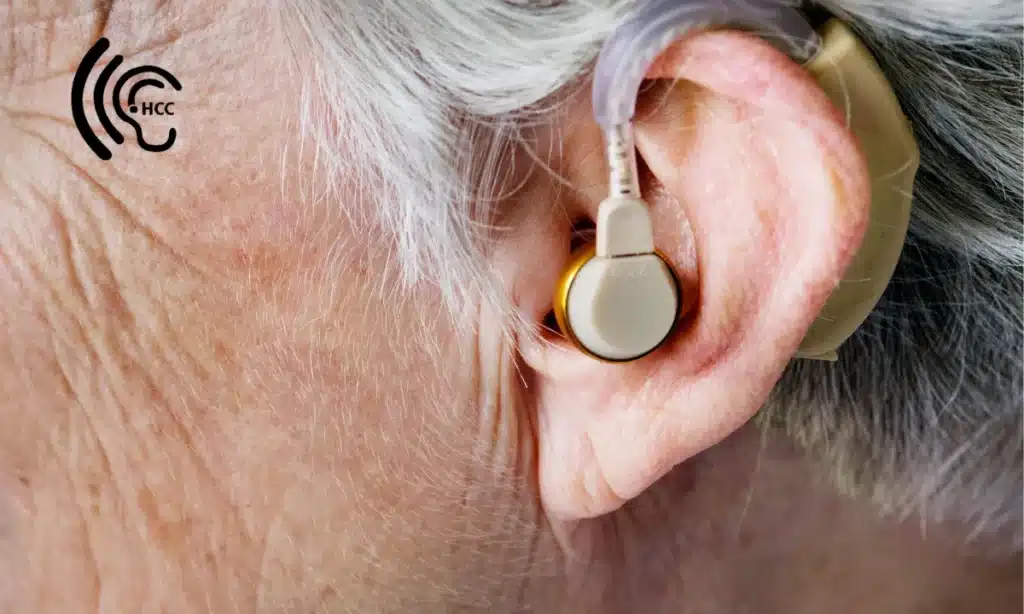
Types of hearing aids designed specifically for individuals with single-sided deafness are the best solution for those who experience hearing loss in only one ear. These devices help to restore balance and allow for improved sound perception, enhancing overall quality of life.
| CROS Hearing Aids: Designed for one-sided deafness to pick up sounds and transmit them to the functioning ear for clearer perception. |
| BiCROS Hearing Aids: Suitable for those with a deaf ear and a poor ear, capturing sounds from both sides and transferring them to the better ear. |
Features To Look For In A Hearing Aid For Single-sided Deafness
When choosing a hearing aid for single-sided deafness, look for features such as directional microphones that help focus on sound from the front while reducing background noise. Also, consider wireless connectivity for streaming audio directly to the hearing aid from devices like smartphones or TVs. This can enhance the listening experience and improve communication in various environments.
Benefits Of Using Hearing Aids For Single-sided Deafness
Hearing aids offer several benefits to individuals with single-sided deafness. One of the key advantages is improved sound localization. By amplifying sound in the deaf ear, hearing aids help individuals better determine the direction of sounds, allowing for enhanced spatial awareness.
Another important benefit is reduced listening effort. By providing sound input to the deaf ear, hearing aids reduce the strain on the good ear, relieving the burden of constantly compensating for the hearing loss. This helps individuals engage in conversations more effortlessly and with less fatigue.
In addition, hearing aids for single-sided deafness can improve speech understanding in noisy environments, enhance sound quality, and restore a sense of balance. These devices are discreet and comfortable to wear, with advanced technologies that adapt to different listening situations.
Assessment And Fitting Of Hearing Aids
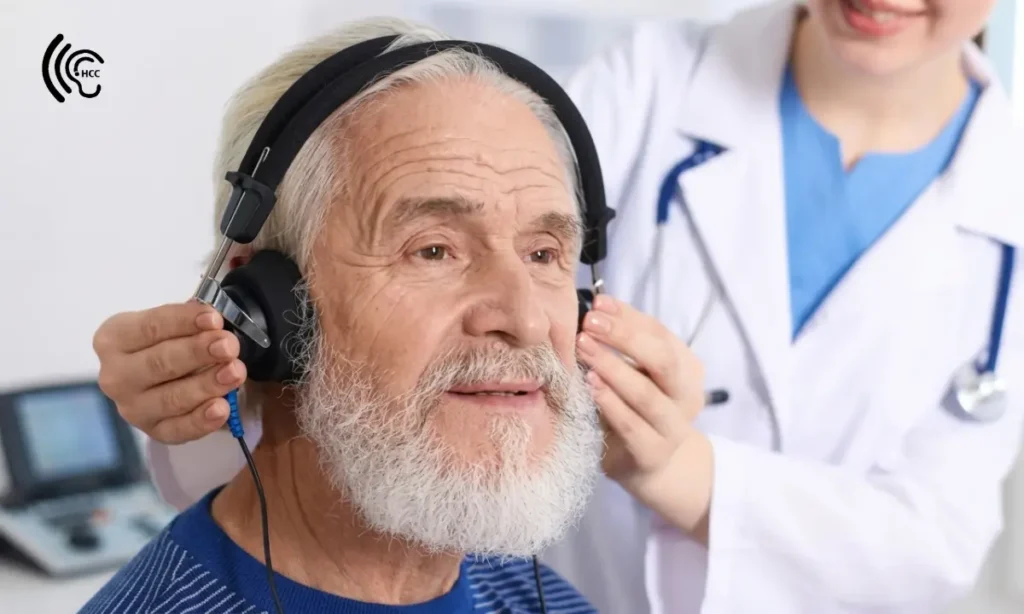
Assessment and fitting of hearing aids for single-sided deafness (SSD) is crucial for improving quality of life. An audiologist plays a vital role in the diagnosis and assessment of SSD. They conduct a detailed evaluation to determine the individual’s hearing loss and establish the need for a hearing aid. This assessment involves various tests and analyses to identify the specific hearing difficulties faced by the patient. Once the diagnosis is made, the custom fitting process begins.
The custom fitting process is tailored to the patient’s unique needs. The hearing aid is programmed to amplify sounds in the affected ear, compensating for the hearing loss. By adjusting the settings of the hearing aid, the audiologist ensures optimal sound clarity and comfort for the individual. It is important to note that the fitting process may require multiple appointments to achieve the best outcome.
Hearing aids for single-sided deafness can greatly enhance one’s ability to communicate and participate in daily activities. The assessment and fitting process, carried out by a skilled audiologist, ensures a personalized solution for individuals with SSD.
Tips For Adjusting To Hearing Aids For Single-sided Deafness
When dealing with single-sided deafness, it’s essential to gradually introduce environmental sounds to your aided ear. This can help the brain adjust to the new auditory input. Regular communication practice in various settings can significantly improve your comfort with the hearing aid, facilitating better integration into daily activities.
Cost Considerations And Insurance Coverage
Average Cost of Hearing Aids: Hearing aids for people who are deaf on one side can cost anywhere from $1,000 to $4,000 per ear. The price is affected by things like features, technology, and name. When choosing a hearing aid, it’s important to think about both your finances and the needs of your hearing loss.
Insurance Coverage for Single-Sided Deafness: Some insurance plans cover hearing aids, but a lot of them don’t. However, it’s crucial to explore options with your insurance provider or consider supplemental insurance for potential coverage options. Some assistance programs or employer benefits may also offer support for hearing aid expenses.
Lifestyle Impact And Support Resources
Single-Sided Deafness can impact daily activities, making it challenging to participate fully. Support Groups provide emotional assistance and shared experiences. Counseling Services offer guidance to cope with lifestyle changes and improve quality of life.
Conclusion
In deciding the best hearing aid for single-sided deafness, it’s essential to consider the individual’s specific needs. By seeking consultation with a qualified audiologist, individuals can find the most suitable solution. With advancements in technology, various options are available to improve hearing and minimize the impact of single-sided deafness on everyday life.