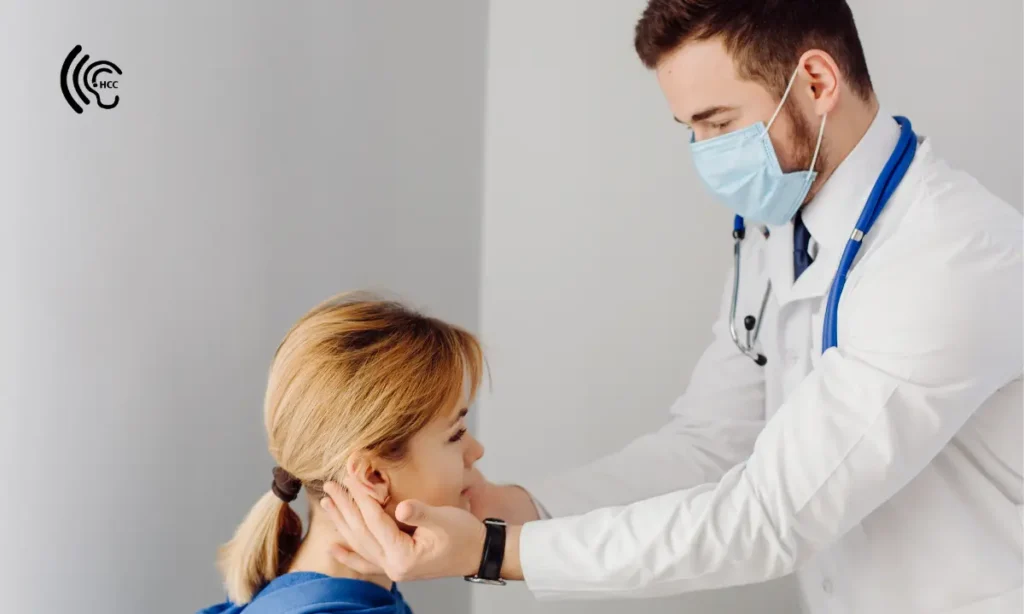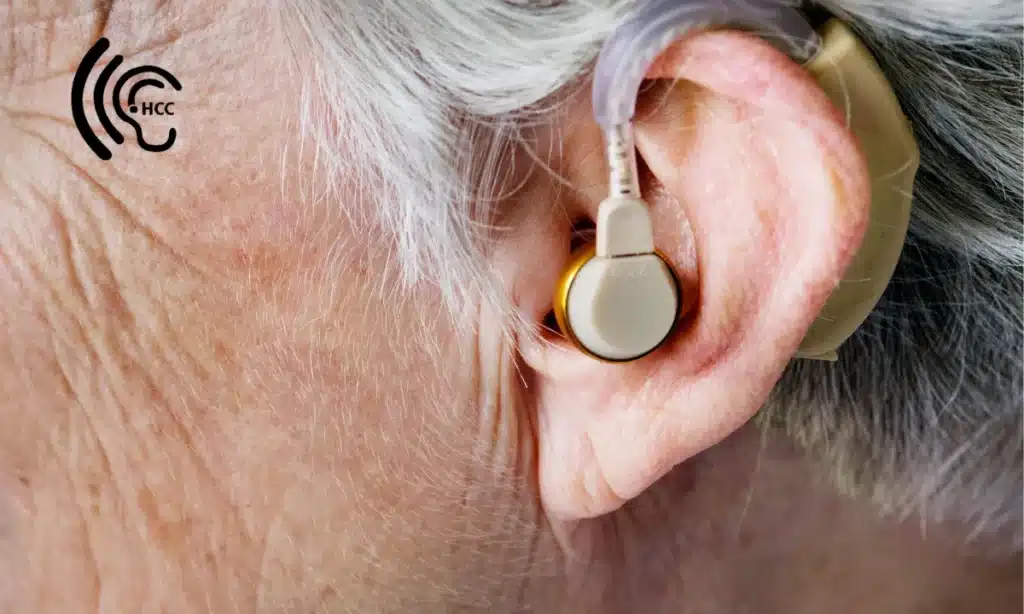

Hearing is a vital sense that shapes a child’s development, from speech and language acquisition to social and academic success. Early detection of hearing issues can make a significant difference in a child’s life. At Hearing Care Center, a flagship venture of Widenations Group since 2000, we are committed to providing specialized pediatric audiology services across Bangladesh. With over 25 branches and 25+ years of experience, we help thousands of families ensure their children’s hearing health. This guide covers everything you need to know about pediatric hearing tests in Dhaka, including why they matter and how to access top-quality care.
Why Pediatric Hearing Tests Are Crucial for Your Child
Hearing tests for children are essential for identifying hearing loss early, which can profoundly impact development. Undetected hearing issues may lead to delays in speech, language, and cognitive skills, affecting a child’s ability to learn and interact.
Key Reasons for Pediatric Hearing Tests:
- Early Intervention: Detecting hearing loss early allows for timely treatments, such as hearing aids or therapy, to support development.
- Speech and Language Development: Hearing is critical for learning to speak and understand language, especially in the first few years of life.
- Academic Success: Children with untreated hearing loss may struggle in school due to difficulties following instructions or engaging in classroom discussions.
- Social and Emotional Growth: Clear hearing fosters better social interactions, boosting confidence and emotional well-being.
- Preventing Long-Term Issues: Early diagnosis can prevent complications like learning disabilities or social isolation.
At Hearing Care Center, our expert audiologists use advanced technology to ensure accurate assessments and personalized care for your child.
Signs Your Child May Have Hearing Problems
Children may not always express hearing difficulties, so parents should watch for subtle signs, including:
- Infants (0–12 months):
- Not reacting to loud sounds or voices.
- Not turning toward sounds by 6 months.
- Lack of babbling or vocal play by 12 months.
- Toddlers and Preschoolers:
- Delayed or unclear speech.
- Frequently saying “what?” or misunderstanding instructions.
- Turning up the TV or device volume excessively.
- School-Age Children:
- Difficulty following conversations in noisy environments.
- Poor academic performance or trouble paying attention.
- Complaints of ear pain, ringing (tinnitus), or muffled sounds.
- Behavioral Signs:
- Social withdrawal or frustration during communication.
- Inattentiveness or seeming unresponsive to verbal cues.
If you notice these signs, schedule a pediatric hearing test promptly to address potential issues.
When Should Children Have Their First Hearing Test?
Early screening is critical for identifying hearing issues before they impact development. Recommended timelines include:
- Newborns: Most hospitals in Dhaka offer newborn hearing screening using Otoacoustic Emissions (OAE) or Auditory Brainstem Response (ABR) tests within the first month.
- Infants (6–12 months): Follow-up tests if newborn screening indicates concerns or if risk factors (e.g., family history, premature birth) are present.
- Toddlers (2–3 years): A hearing test is recommended if speech delays or behavioral signs are observed.
- Preschoolers (3–5 years): Routine testing before starting school to ensure readiness for learning.
- School-Age Children: Regular checkups every 1–2 years, especially if symptoms arise or there’s a history of ear infections.
At Hearing Care Center, we recommend routine hearing checks for all children to catch issues early, even without obvious symptoms.
Types of Hearing Tests for Children
Pediatric hearing tests are tailored to a child’s age and developmental stage. At Hearing Care Center, we use advanced, child-friendly methods to ensure accurate results:
- Otoacoustic Emissions (OAE): Measures sound reflections from the cochlea, ideal for newborns and infants who cannot respond verbally.
- Auditory Brainstem Response (ABR): Evaluates the auditory nerve and brain pathways, often used for infants or children unable to participate in behavioral tests.
- Visual Reinforcement Audiometry (VRA): For children aged 6 months to 2 years, this test uses visual rewards (e.g., animated toys) to encourage responses to sounds.
- Conditioned Play Audiometry (CPA): Suitable for ages 2–5, children respond to sounds by performing playful tasks, like dropping blocks in a bucket.
- Pure Tone Audiometry: For older children (5+ years), this involves responding to tones through headphones, similar to adult tests.
- Tympanometry: Assesses middle ear function to detect fluid, infections, or eardrum issues.
- Speech Audiometry: Evaluates a child’s ability to recognize and repeat words, assessing speech understanding.
Our audiologists select the appropriate test based on your child’s age, cooperation level, and suspected issues.
Step-by-Step: What Happens During a Pediatric Hearing Test
Pediatric hearing tests are designed to be engaging and stress-free. Here’s what to expect at Hearing Care Center:
- Pre-Test Consultation: The audiologist discusses your child’s medical history, developmental milestones, and any concerns you’ve noticed.
- Ear Examination: An otoscope is used to check for earwax, infections, or abnormalities in the ear canal or eardrum.
- Age-Appropriate Testing:
- For infants: OAE or ABR tests are conducted while the child is asleep or calm.
- For toddlers: VRA or CPA makes testing fun with games or visual cues.
- For older children: Standard audiometry involves responding to tones or words via headphones.
- Tympanometry (if needed): A quick test to check middle ear function.
- Results Review: The audiologist explains the findings, often using an audiogram to show hearing levels, and discusses next steps.
- Counseling and Support: Guidance on treatment options, follow-up tests, or referrals to specialists if necessary.
Tests are non-invasive, and our team ensures a comfortable, child-friendly environment.
Preparing Your Child for a Hearing Test
Preparation helps your child feel at ease and ensures accurate results. Follow these tips:
- Explain the Process: For older children, describe the test as a “listening game” to make it fun and reduce anxiety.
- Ensure Rest: A well-rested child is more cooperative. For infants, schedule tests during nap time for ABR or OAE.
- Bring Comfort Items: A favorite toy or blanket can help younger children feel secure.
- Avoid Loud Noises: Limit exposure to loud sounds for 24 hours before the test to avoid temporary hearing shifts.
- Share Observations: Inform the audiologist about your child’s behavior, speech delays, or ear infection history.
- Stay Calm: Your calm demeanor reassures your child during the test.
Our audiologists at Hearing Care Center are trained to work with children, ensuring a positive experience.
Top Pediatric Audiology Clinics in Dhaka
Dhaka offers several reputable clinics for pediatric hearing tests, with Hearing Care Center standing out for its expertise and accessibility:
- Hearing Care Center:
- Why Choose Us: With 25+ branches, 25+ years of experience, and over 10,000 happy patients, we offer specialized pediatric audiology led by Dr. M. Muinul Hafiz.
- Services: Comprehensive testing, hearing aids, and tinnitus treatment tailored for children.
- Technology: Advanced tools like OAE, ABR, and play audiometry ensure accurate diagnoses.
- National Institute of ENT: A leading center for pediatric ENT and audiology services, offering newborn screenings and advanced diagnostics.
- Bangladesh ENT Hospital: Known for specialized pediatric care and experienced audiologists.
- Square Hospital: Provides modern audiology services in a child-friendly environment.
Choose a clinic with certified pediatric audiologists and a track record of excellence, like Hearing Care Center.
Interpreting Your Child’s Hearing Test Results
After the test, the audiologist will present results, typically using an audiogram to show hearing thresholds across frequencies. Here’s what the results may indicate:
- Normal Hearing: No action needed, but regular checkups are recommended.
- Mild Hearing Loss: May affect speech clarity in noisy settings; monitoring or hearing aids may be suggested.
- Moderate to Severe Hearing Loss: Hearing aids, cochlear implants, or speech therapy may be recommended.
- Conductive Hearing Loss: Often caused by fluid or infections, treatable with medical intervention.
- Sensorineural Hearing Loss: Permanent damage to the inner ear, often managed with hearing aids or cochlear implants.
- Mixed Hearing Loss: A combination of conductive and sensorineural issues, requiring a tailored approach.
Our team provides detailed explanations and collaborates with you to create a care plan for your child.
Treatment Options for Childhood Hearing Issues
If hearing loss is detected, Hearing Care Center offers a range of solutions tailored to children:
- Hearing Aids: Modern digital hearing aids, including rechargeable models, are customized for children to support speech and learning.
- Cochlear Implants: For severe hearing loss, implants may be recommended in collaboration with ENT specialists.
- Speech and Language Therapy: Helps children with hearing loss develop communication skills.
- Medical Treatment: For conductive issues like ear infections, medication or minor surgery (e.g., ear tubes) may resolve the problem.
- Tinnitus Management: Specialized therapies for children experiencing ringing in the ears.
- Educational Support: Guidance for parents and schools to accommodate hearing needs.
Our audiologists work closely with families to ensure the best outcomes for your child’s development.
Tips to Protect Your Child’s Hearing Long-Term
Preventing hearing loss is key to your child’s lifelong ear health. Follow these tips:
- Limit Noise Exposure: Use noise-canceling headphones or earplugs in loud environments, like concerts or crowded events.
- Monitor Earbud Use: Keep device volumes below 60% and encourage breaks from earbuds or headphones.
- Treat Ear Infections Promptly: Seek medical care for recurrent infections to prevent complications.
- Promote Ear Hygiene: Teach children not to insert objects into their ears and seek professional cleaning if needed.
- Regular Hearing Checks: Schedule tests every 1–2 years or as recommended, especially if risk factors exist.
- Healthy Diet and Lifestyle: Support overall health to reduce risks from conditions like diabetes that can affect hearing.
At Hearing Care Center, we emphasize prevention to safeguard your child’s hearing for the future.
Conclusion
Pediatric hearing tests are a vital step in ensuring your child’s healthy development and bright future. At Hearing Care Center, we combine cutting-edge technology, expert care, and a child-friendly approach to deliver exceptional audiology services across our 25+ branches in Bangladesh. Whether you’re concerned about your child’s hearing or seeking routine screening, we’re here to help. Visit hearingcarecenter.com.bd or contact us to schedule a pediatric hearing test today and give your child the gift of clear hearing.