
Hearing is a vital sense that connects us to the world around us. Whether it’s engaging in conversations, enjoying music, or staying safe in your environment, healthy hearing plays a critical role. Unfortunately, hearing loss often goes unnoticed until it significantly impacts your daily life. If you’re in Dhaka and unsure whether it’s time for a hearing test, this guide will help you make an informed decision about whether to undergo one.
1. Signs of Hearing Loss
Hearing loss can occur gradually or suddenly. Look out for the following symptoms:
- Frequently asking others to repeat themselves
- Difficulty understanding speech, especially in noisy places
- Turning up the volume on TV or mobile devices
- Missing doorbells, phone calls, or alarms
- Experiencing ringing, buzzing, or hissing in the ears (tinnitus)
- Withdrawing from social situations due to communication difficulties
- Children may exhibit delayed speech or poor academic performance
If any of these signs sound familiar, a hearing test is highly recommended.
2. Why Hearing Tests Are Important
Early diagnosis of hearing issues leads to better outcomes. Here’s why hearing tests matter:
- Prevent further damage by identifying the problem early
- Improve communication with loved ones and coworkers
- Support mental health – untreated hearing loss is linked to depression and isolation
- Preserve cognitive function – studies show a correlation between hearing loss and dementia
- Identify underlying health issues, such as infections, neurological disorders, or cardiovascular diseases
Regular testing, especially for people over 50, is a proactive step toward overall well-being.
3. Common Causes of Hearing Issues
Understanding what causes hearing loss can help with prevention and treatment:
- Age-related hearing loss (Presbycusis): Common in people over 60 due to inner ear wear and tear
- Noise-induced hearing loss: Caused by prolonged exposure to loud environments like traffic, construction sites, or headphones at high volume
- Earwax buildup: Can block the ear canal and cause temporary hearing issues
- Infections and medical conditions: Chronic ear infections, diabetes, and high blood pressure can affect hearing
- Head injuries or trauma to the ear
- Ototoxic medications, like certain antibiotics or chemotherapy drugs
4. Types of Hearing Loss
There are different types of hearing loss, and treatment depends on the type:
- Conductive Hearing Loss: Caused by issues in the outer or middle ear, such as wax buildup, fluid, or damaged eardrum. Often treatable.
- Sensorineural Hearing Loss: Damage to the inner ear or auditory nerve, often permanent and caused by aging, noise exposure, or genetic conditions.
- Mixed Hearing Loss: A combination of conductive and sensorineural components.
5. Genetics and Hearing Loss
Genetics plays a significant role in hearing ability. Hearing loss can be:
- Congenital: Present at birth, often due to genetic mutations
- Syndromic or non-syndromic: Accompanied by other health issues (syndromic) or isolated (non-syndromic)
- Inherited later in life: Progressive hearing loss passed through generations
If you have a family history of hearing issues, consult an audiologist for early screening and possible genetic counseling.
6. Finding Reliable Clinics in Dhaka
Dhaka offers a range of hearing care facilities with professional audiologists and ENT specialists. When choosing a clinic:
Look for:
- Qualified audiologists or ENT doctors
- Modern testing equipment (audiometry, tympanometry, OAE, ABR)
- Clean and patient-friendly environment
- Transparent pricing and consultation process
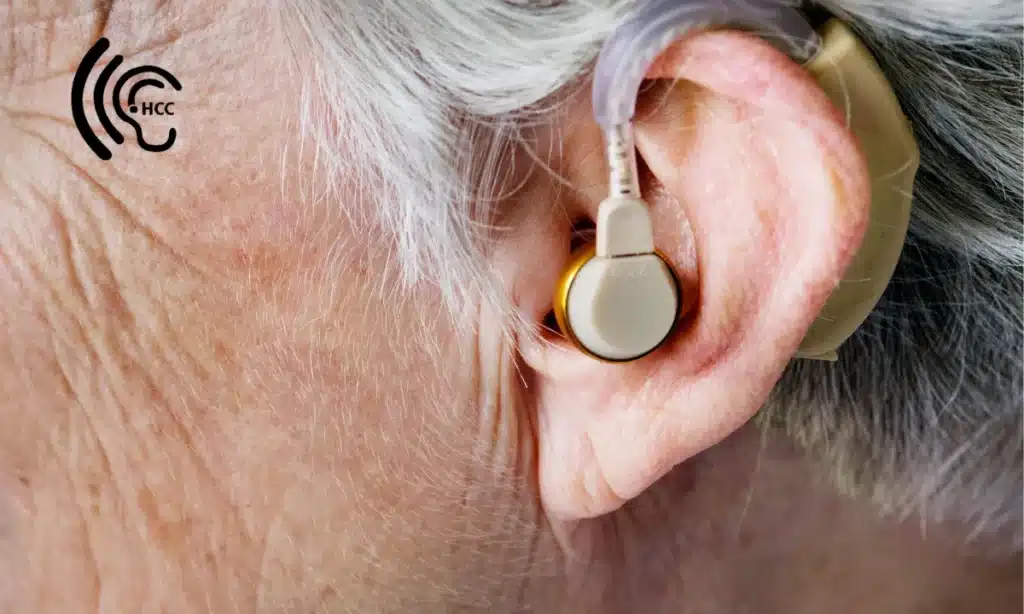
- Availability of hearing aids, treatment, and follow-up services
Recommended Clinics:
- Hearing Care Center, Dhaka – Trusted for audiology tests and hearing aid services.
- ENT Hospital, Mirpur – Offers complete ENT care, including ear diagnostics
- National Institute of ENT, Tejgaon – Government facility with advanced ENT care
7. Choosing the Right Hearing Test
Depending on age and symptoms, different hearing tests are available:
- Pure-tone Audiometry: Measures how well you hear tones at various pitches and volumes
- Speech Audiometry: Tests how clearly you can understand spoken words
- Tympanometry: Evaluates middle ear function by measuring eardrum movement
- Otoacoustic Emissions (OAE): Used for infants and young children to test inner ear function
- Auditory Brainstem Response (ABR): Measures electrical activity in the auditory nerve and brainstem, helpful for diagnosing neurological issues
8. What Happens During a Hearing Test
A standard hearing test usually involves:
- Medical history review: Discuss symptoms, noise exposure, family history, and health conditions
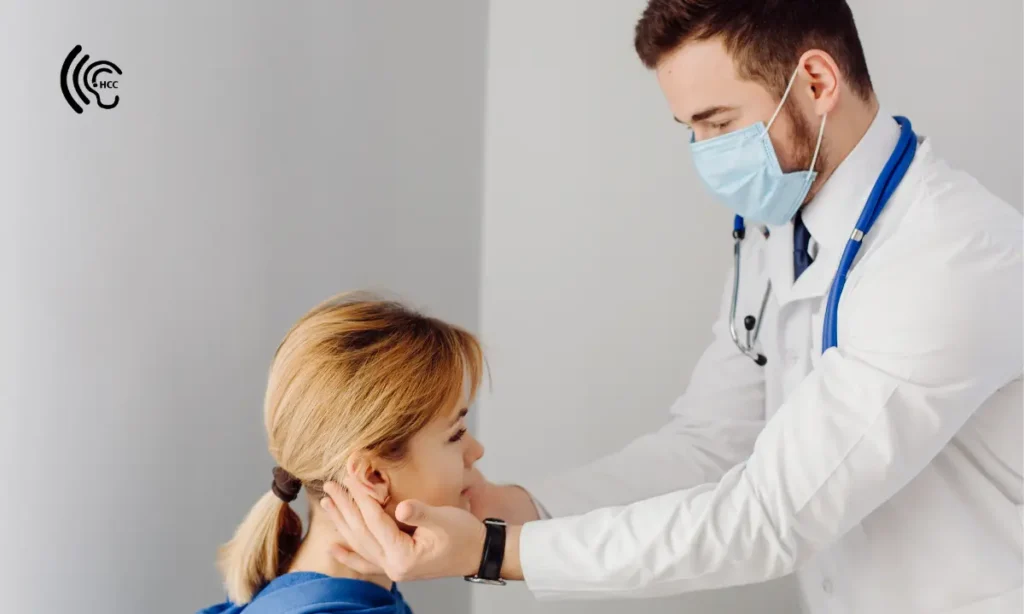
- Physical ear exam: Using an otoscope to check for blockages or infections
- Audiometric testing: Wearing headphones and responding to sounds or speech in a soundproof booth
- Evaluation and counseling: Based on your results, the audiologist may recommend lifestyle changes, treatments, or hearing devices
Tests are non-invasive, painless, and usually take less than an hour.
9. When to Schedule Your Test
Knowing how to take action is crucial. Consider scheduling a test if:
- Do you experience any signs of hearing difficulty
- You are over 50 and haven’t had a recent screening
- You work in a noisy environment
- You have a family history of hearing loss
- Your child is showing signs of delayed speech or learning difficulties
- You’ve had an ear injury, infection, or exposure to loud sounds
Annual check-ups are recommended for individuals at risk.
10. Benefits of Early Detection
Getting tested early leads to many advantages:
- Early treatment for reversible causes like earwax or infection
- Faster adaptation to hearing aids or other assistive devices
- Cognitive protection from the risk of memory decline
- Better language development in children with hearing issues
- Detection of associated health conditions, such as diabetes or high blood pressure
- Improved social interaction, reducing the risk of isolation
✅ Final Thoughts
Hearing loss can sneak up on you—but early action makes all the difference. If you’re experiencing symptoms or fall into a risk group, don’t wait. Schedule a hearing test at a trusted clinic in Dhaka today. With early detection and expert care, you can protect your hearing and enjoy a better quality of life.