Hearing naturally declines with age, but many people can slow, stop, or even partially reverse mild hearing loss with the right steps. Here’s a complete, evidence-based guide to improving your hearing.
1. What Lifestyle Changes Can Help Improve Hearing Naturally?
- Exercise daily (30–45 minutes of brisk walking, swimming, or cycling) – improves blood flow to the inner ear and reduces risk of hearing loss by up to 25–30% (Johns Hopkins studies).
- Manage blood sugar, blood pressure, and cholesterol – diabetes and cardiovascular disease damage tiny blood vessels in the cochlea.
- Quit smoking and limit alcohol – both restrict oxygen and blood to the ears.
- Reduce chronic stress – high cortisol harms delicate hair cells.
- Get 7–9 hours of quality sleep nightly – the brain “repairs” auditory pathways during deep sleep.
2. Which Foods and Vitamins Support Better Ear Health?
Eat these regularly for proven protective and restorative effects:
Nutrient/Food | Benefit | Best Sources |
Omega-3 fatty acids | Reduce inflammation in the cochlea | Salmon, mackerel, sardines, walnuts, flaxseeds |
Magnesium | Protects against noise-induced damage | Spinach, almonds, pumpkin seeds, bananas |
Zinc | Supports ear immunity & may reduce tinnitus | Oysters, beef, chickpeas, cashews |
Vitamin D | Prevents age-related loss | Sunlight, fatty fish, fortified milk |
Antioxidants (A, C, E) | Fight oxidative stress from loud noise | Berries, citrus, carrots, broccoli, nuts |
Folate (Vitamin B9) | Lowers homocysteine linked to hearing loss | Leafy greens, lentils, avocado |
A Mediterranean-style diet is repeatedly shown in large studies to slow hearing decline.
3. How to Clean Your Ears Safely Without Damaging Hearing
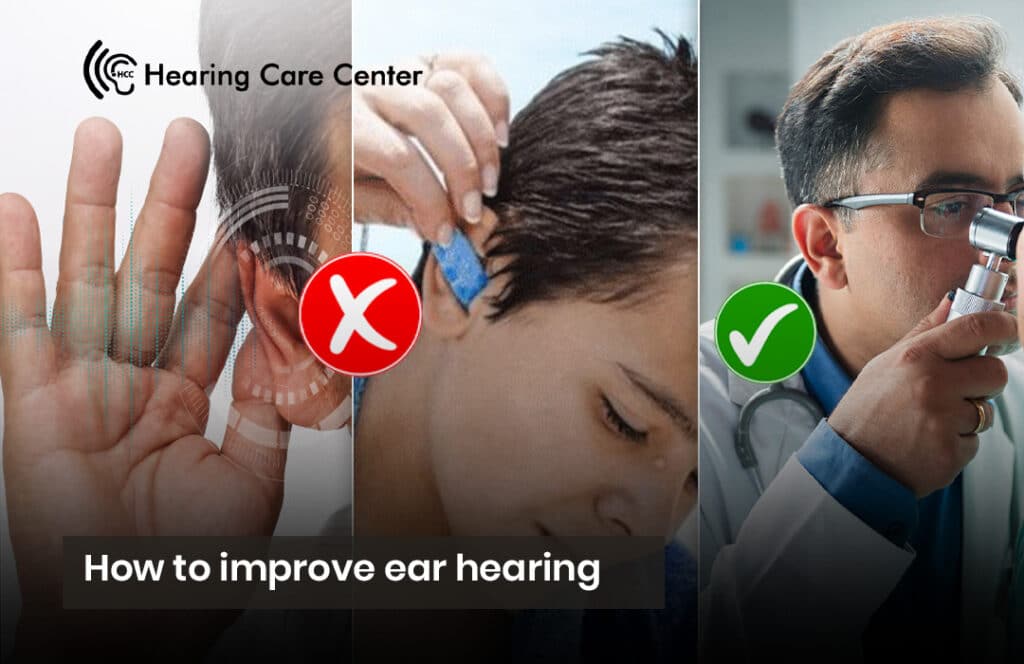
- Never use cotton buds (Q-tips) – they push wax deeper and can perforate the eardrum.
- Safe methods: → Put 3–5 drops of olive oil, mineral oil, or over-the-counter wax softener in the ear nightly for 3–5 days. → Gently irrigate with body-temperature water using a bulb syringe. → Use wax removal drops containing carbamide peroxide (e.g., Debrox).
- If wax is hard or painful, visit an audiologist or ENT for professional microsuction – it’s quick and 100% safe.
4. What Exercises Can Help Strengthen Hearing and Listening Skills?
- Auditory training apps (LACE, Angel Sound, CliniCue, ReadMyQuips) – 15–20 minutes daily can improve speech understanding by 20–50% in 4–8 weeks.
- Active listening practice: close your eyes and identify individual instruments in music.
- Mindfulness meditation focusing on sounds sharpens auditory attention.
- Lip-reading games or courses improve visual cues when hearing is weak.
- Singing or playing a musical instrument enhances brain processing of sound.
5. How to Protect Your Ears from Loud Noise and Hearing Damage
- Follow the 60/60 rule with headphones (max 60% volume for 60 minutes).
- Wear properly fitted earplugs or earmuffs in loud environments (concerts, shooting, construction).
- Use musician’s earplugs – they lower volume evenly without muffling music.
- Keep at least 3–5 meters away from loudspeakers.
- Give your ears 18 hours of recovery after loud exposure.
6. What Medical Treatments Can Improve Hearing Loss?
- Sudden hearing loss → Oral or injected steroids within 72 hours can restore 60–80% of hearing.
- Ear infections or fluid → Antibiotics or minor surgery (grommets).
- Wax or foreign body → Professional removal.
- Otosclerosis → Stapedectomy surgery (highly successful).
- Meniere’s disease → Low-salt diet + medication or injections.
7. How Do Hearing Aids or Devices Help Improve Hearing?
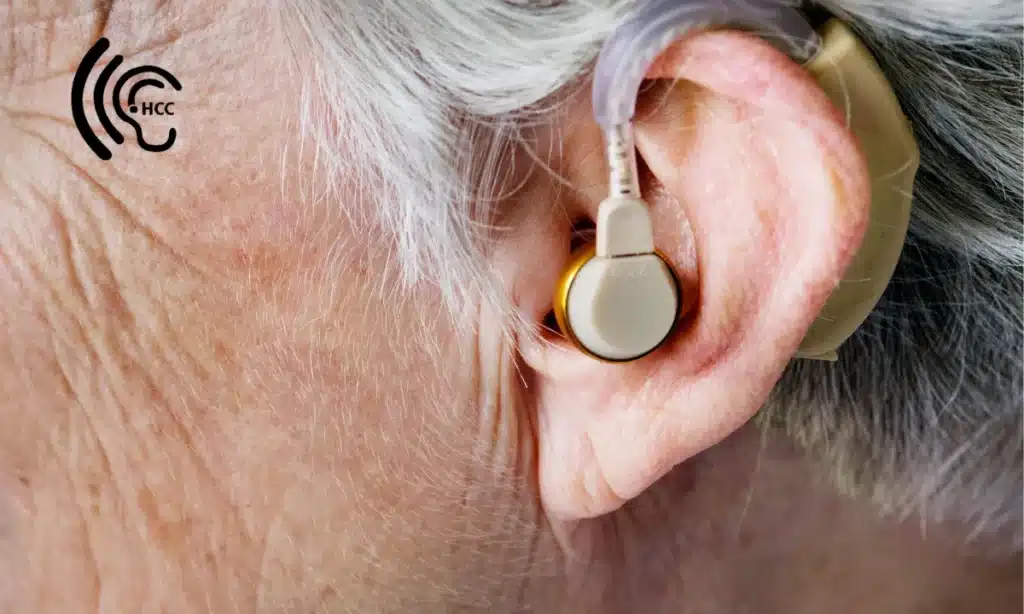
Modern digital hearing aids:
- Selectively amplify only the frequencies you’ve lost
- Cancel background noise in real time
- Stream phone calls, TV, and music directly
- Re-train the brain to understand speech again
- Can improve speech understanding by 50–90% in the first 3–6 months
- New over-the-counter (OTC) hearing aids are excellent for mild–moderate loss and cost far less.
Cochlear implants restore hearing in severe–profound cases when hearing aids no longer help.
8. What Habits Should You Avoid to Protect Your Hearing?
- Using cotton buds or inserting anything smaller than your elbow into the ear
- Listening to personal audio at maximum volume
- Ignoring ear infections or persistent fullness
- Skipping ear protection in noisy hobbies or workplaces
- Excessive caffeine + loud noise (increases damage risk)
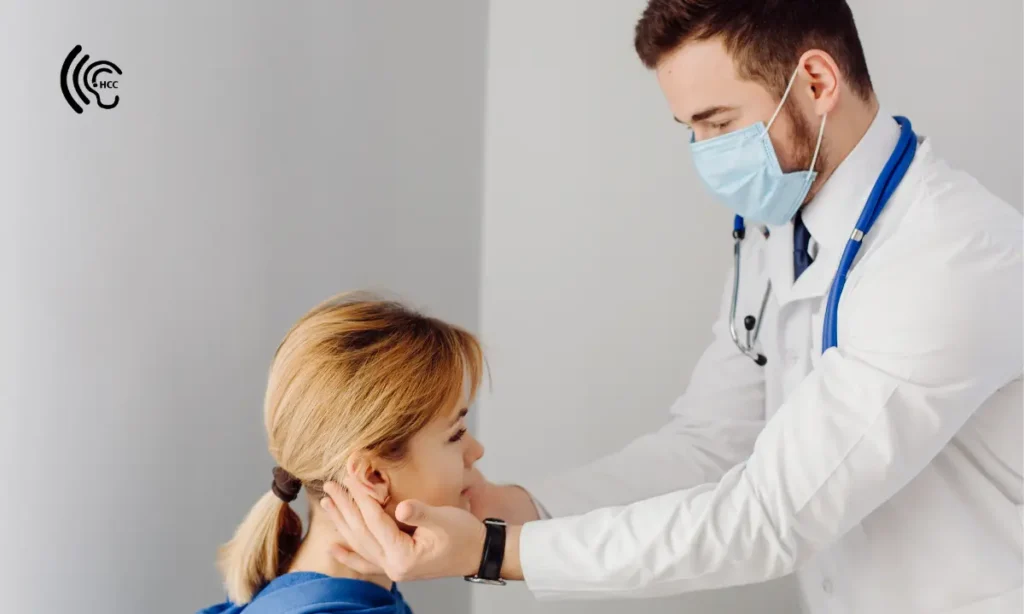
9. When Should You Visit a Hearing Specialist for Hearing Improvement?
Book an appointment if you notice:
- People seem to mumble or speak too softly
- Difficulty following conversations in noise
- Frequent “What?” or “Pardon?”
- Ringing/buzzing (tinnitus) that lasts >1 week
- Sudden change in hearing in one or both ears (emergency – go same day!)
- Family history of hearing loss + you’re over 50
The earlier you act, the more hearing you preserve.
Final Takeaway
You can absolutely improve or protect your hearing starting today. Combine a healthy diet, regular exercise, safe ear cleaning, noise protection, and professional care when needed. Most mild-to-moderate hearing loss can be dramatically improved with modern hearing aids and auditory training.
Your ears deserve the same daily care you give your teeth and eyes.
Hearing Care Center Bangladesh
Professional hearing tests & latest hearing solutions