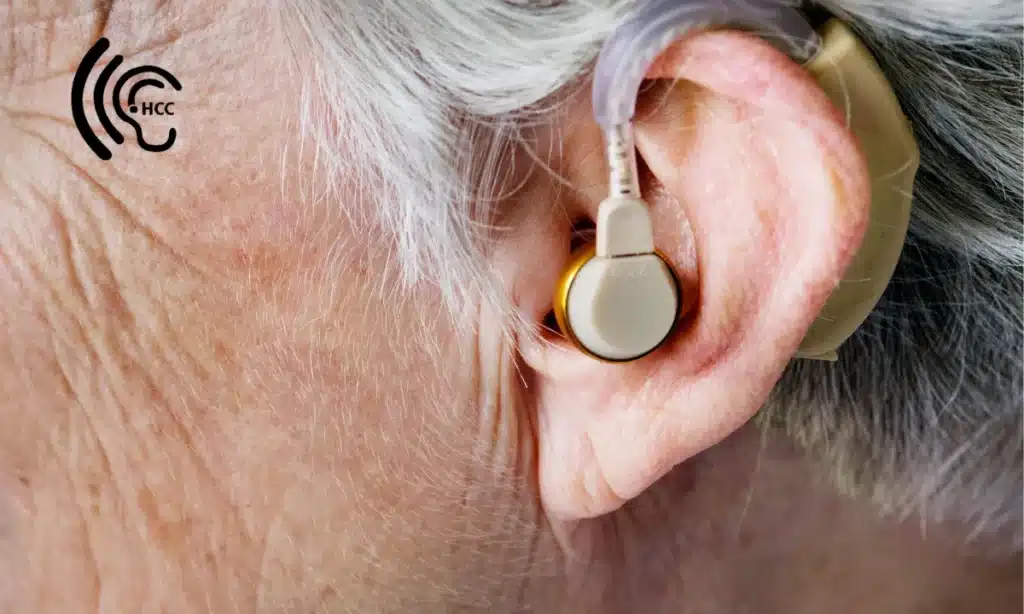

Hearing is one of our most precious senses, yet it’s often taken for granted until problems arise. Everyday habits, environmental factors, and even medications can gradually damage your ears if not managed properly. The good news is that protecting your hearing doesn’t require drastic changes—just consistent, simple steps. In this guide, we’ll explore practical ways to safeguard your ears, drawing from expert recommendations in audiology and ear health.
Avoid Loud Noises and Limit Exposure
Prolonged exposure to sounds above 85 decibels (dB)—roughly the noise level of a blender or heavy traffic—can cause permanent hearing damage. Common culprits include concerts, construction sites, lawn mowers, and even city streets. To protect yourself:
- Identify noisy environments and minimize time spent in them.
- Use earplugs or earmuffs in high-risk settings.
- Keep volume low on personal devices; if someone nearby can hear your music, it’s too loud.
Reducing overall noise exposure preserves the delicate hair cells in your inner ear, preventing noise-induced hearing loss (NIHL).
Follow the 60/60 Rule for Headphones
Headphones and earbuds are convenient, but misuse turns them into a hearing hazard. Audiologists recommend the 60/60 rule:
- Keep volume at no more than 60% of the maximum.
- Limit listening sessions to 60 minutes at a time.
This guideline, endorsed by the World Health Organization (WHO), helps prevent cumulative damage from personal audio devices. Use apps or device settings to enforce volume limits, and opt for over-ear headphones, which often allow safer listening levels than in-ear buds.
Clean Ears Safely
Earwax (cerumen) is natural and protective, trapping dirt and inhibiting bacterial growth. However, improper cleaning can push wax deeper or injure the ear canal.
- Do: Use a damp cloth to wipe the outer ear. For buildup, try over-the-counter ear drops or irrigation with warm water.
- Don’t: Insert cotton swabs, hairpins, or fingers—these can cause impaction, perforation, or infection.
If you experience itching, fullness, or sudden hearing changes, consult an audiologist for professional removal. Safe cleaning prevents complications like otitis externa (swimmer’s ear).
Take Listening Breaks
Even at moderate volumes, continuous sound exposure fatigues your ears. Incorporate the 20/20/20 rule for audio: Every 20 minutes, take a 20-second break in a quiet space, and look away from screens if multitasking.
This practice allows auditory hair cells to recover, reducing the risk of temporary threshold shifts (muffled hearing after noise exposure) that can become permanent over time.
Wear Hearing Protection
Custom or disposable ear protection is essential in loud environments:
- Foam earplugs: Reduce noise by 15–30 dB; roll, pull ear up, and insert.
- Earmuffs: Ideal for very loud settings like shooting ranges.
- Custom-molded plugs: Best for musicians or frequent users, available from hearing specialists.
Choose protection rated for the noise level (check NRR—Noise Reduction Rating). For swimmers, silicone putty plugs prevent water entry and infections.
Maintain Ear Health
Holistic ear care supports overall hearing:
- Stay hydrated; dry ear canals are prone to irritation.
- Manage allergies with antihistamines to reduce Eustachian tube swelling.
- Eat a balanced diet rich in omega-3s, zinc, and antioxidants (found in fish, nuts, and leafy greens) to support inner ear function.
- Quit smoking—nicotine constricts blood flow to the ears, accelerating age-related hearing loss.
Regular habits like these complement preventive measures and enhance resilience against environmental stressors.
Recognize Signs of Hearing Loss
Early detection is key to intervention. Watch for:
- Difficulty understanding speech in noisy places (e.g., restaurants).
- Frequently asking others to repeat themselves.
- Ringing in the ears (tinnitus).
- Turning up the TV volume higher than others prefer.
- Muffled sounds or a feeling of “plugged” ears.
These could indicate sensorineural, conductive, or mixed hearing loss. Don’t ignore them—prompt action can prevent progression.
Protect Ears from Injury
Physical trauma is a common cause of hearing issues:
- Wear helmets during sports or biking to shield against blows.
- Avoid inserting foreign objects.
- Use caution with pressure changes (e.g., during flights—chew gum or yawn to equalize).
In children, supervise play to prevent toy-related injuries. For contact sports, consider protective headgear with ear coverage.
Monitor Medication Side Effects
Over 200 medications are ototoxic (ear-damaging), including:
- Certain antibiotics (e.g., gentamicin).
- Chemotherapy drugs (e.g., cisplatin).
- High-dose aspirin or NSAIDs.
- Loop diuretics.
Symptoms include tinnitus, vertigo, or sudden hearing changes. Always:
- Read labels and consult your doctor/pharmacist.
- Use the lowest effective dose.
- Report side effects immediately for alternatives.
Regular monitoring is crucial if you’re on long-term therapy.
Get Regular Hearing Check-Ups
Baseline and annual audiograms are the gold standard for tracking hearing health:
- Adults: Start at age 50, or earlier with risk factors (family history, noise exposure, diabetes).
- Children: Screen at birth, school entry, and as needed.
- Professionals in noisy jobs: Annual testing per OSHA guidelines.
Free or low-cost screenings are available at clinics like those from the Hearing Care Center. Early intervention with hearing aids or therapy can restore quality of life.
Final Thoughts
Protecting your ears is a lifelong commitment that pays off in clearer conversations, richer experiences, and independence. Incorporate these steps into your routine: dodge excessive noise, follow safe listening rules, clean gently, rest your ears, gear up when needed, nurture overall health, stay vigilant for warning signs, prevent injuries, watch meds, and schedule check-ups. Your hearing will thank you—start today for a sound tomorrow.