Hearing loss can significantly impact one’s quality of life, affecting communication, social interactions, and overall well-being. Understanding the types and treatments available is crucial for managing this condition effectively. This blog will delve into effective strategies for treating sensorineural and moderate hearing loss, providing insights into the latest advancements and options available.
Understanding Hearing Loss
Types of Hearing Loss: Hearing loss can be categorized into three main types:
- Conductive Hearing Loss occurs when sound waves are not being properly conducted: through the outer ear, eardrum, or middle ear.
- Sensorineural Hearing Loss (SNHL): Results from damage to the inner ear or the auditory nerve.
- Mixed Hearing Loss: A combination of conductive and sensorineural hearing loss.
Its severity also classifies degrees of Normal Hearing Loss Hearing loss:
- Mild: Difficulty hearing aid soft sounds and understanding speech in loud sound environments.
- Moderate: Struggle to hear regular speech, requiring higher volumes or hearing aids.
- Severe: Requires powerful hearing aid or cochlear implants.
- Profound: Little to no hearing, often relying on sign language or other forms of communication.
Sensorineural Hearing Loss Treatment
Sudden Sensorineural hearing loss (SNHL) is the most common type, often resulting from aging, exposure to loud noise, or genetic factors. Here are some effective treatments:
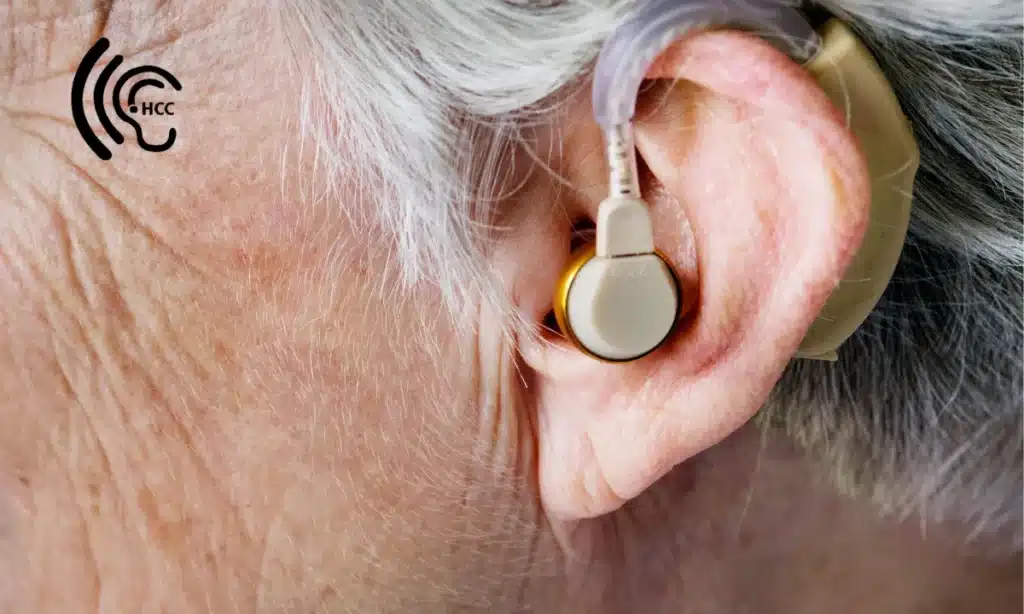
- Hearing Aids: Hearing aids are the most common treatment for SNHL. They amplify sounds to make ear hear easier:
- Digital Hearing Aids: Offer advanced features like noise reduction, directional microphones, and connectivity to smartphones.
- Custom-Fit Hearing Aids: These hearing aids are tailored to fit the individual’s ear shape and profound hearing loss profile, providing a comfortable and effective solution.
- Cochlear Implants: For individuals with severe SNHL who do not benefit from hearing aids, cochlear implants can be an effective solution:
- How They Work: Cochlear implants bypass damaged parts of the inner ear and directly stimulate the auditory nerve.
- Benefits: Improve the ability to understand speech and environmental sounds.
- Bone-Anchored Hearing SystemsThese devices are suitable for individuals with single-sided deafness or mixed hearing loss:
- How They Work: Bypass the ear canal and middle ear, transmitting sound vibrations directly to the inner ear.
- Benefits: Provide clear sound quality and improve spatial awareness.
- Auditory Brainstem ImplantsFor those who cannot benefit from cochlear implants, auditory brainstem implants (ABIs) can be an alternative:
- How They Work: Directly stimulate the brainstem, bypassing the cochlea and auditory nerve.
Benefits: Offer auditory sensations to those with no functional auditory nerve.
Moderate Hearing Loss Treatment
Moderate hearing loss can significantly affect communication, making it essential to seek appropriate treatment:
- Hearing AidsHearing aids are the primary treatment for moderate hearing loss:
- Open-Fit Hearing Aids: Small, discreet devices that sit behind the ear and allow for natural sound.
- Receiver-in-Canal (RIC) Hearing Aids: Provide a comfortable fit with a natural sound experience.
- Assistive Listening Devices (ALDs)ALDs can be used in conjunction with hearing aids or independently:
- FM Systems: Use radio signals to transmit sound from a speaker directly to the listener’s ear.
- Infrared Systems: Use light waves to transmit sound, ideal for watching TV or attending lectures.
- Communication StrategiesEnhancing communication can help manage moderate hearing loss:
- Lip Reading: Learning to read lips can improve understanding in loud noise environments.
- Auditory Training: Exercises to improve listening skills and the ability to distinguish sounds.
Hearing Loss Treatment: General Strategies
- Regular Hearing Check-Ups: Routine hearing tests can detect changes in hearing ability early, allowing for timely intervention.
- Protecting Hearing: Preventing further hearing loss is crucial:
- Avoiding Loud Noises: Using ear protection in loud noise environments can prevent further damage.
- Healthy Lifestyle: Maintaining overall health through proper diet and exercise can positively impact hearing.
- Counseling and Support GroupsLiving with hearing loss can be challenging, and psychological support can be beneficial:
- Hearing Loss Counseling: Professional guidance to cope with the emotional impact of mild hearing loss.
Support Groups: Connecting with others facing similar challenges can provide comfort and advice.
Conclusion
Effective treatment for sudden hearing loss, particularly sensorineural and moderate hearing loss, involves a combination of technology, medical intervention, and lifestyle adjustments. Whether it’s through advanced otc hearing aids, cochlear implants, or adopting new communication strategies, managing severe hearing loss is achievable. Regular check-ups and proactive measures to protect your hearing can significantly enhance your quality of life. If you or a loved one is experiencing hearing loss, consult a hearing specialist to explore the best treatment options tailored to your needs.