Adult Hearing Assessment
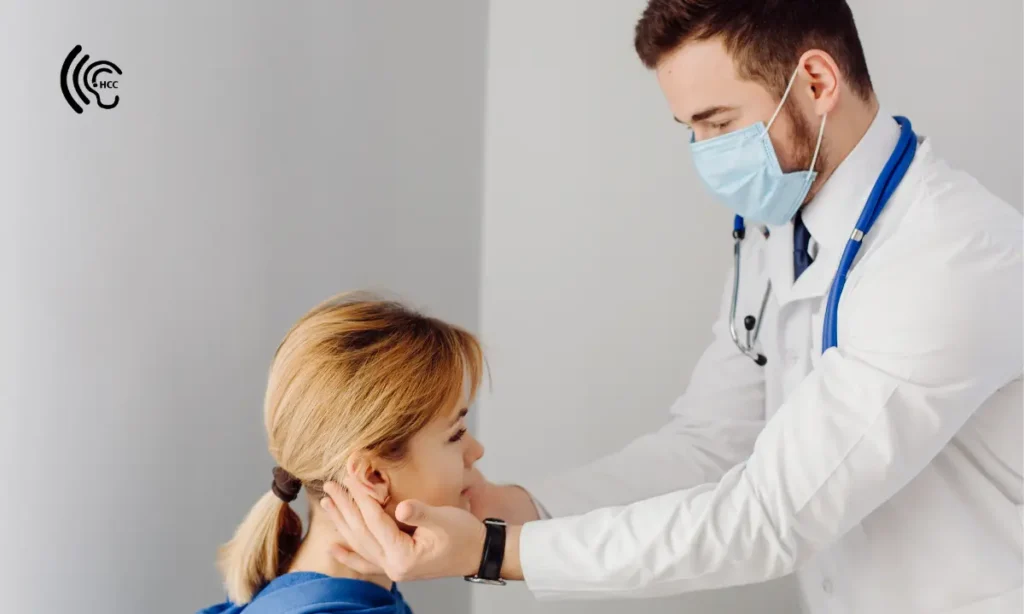
A thorough hearing assessment or hearing test is done on adult patients to determine their hearing issues.First, the audiologist will record your medical history and ask about your hearing in different situations. The audiologist will check your ears for wax or any sort of abnormality or infection.

Innovation in hearing care isn’t just about technology,
it’s about transforming lives.

Perform At Your Peak
Decades of Excellence,
Nationwide Care, Thousands Helped
Hearing Problem? Best Hearing aid and Tinnitus Treatment at Hearing Care Center.
A concern of Widenations Group, Hearing Care Center is a flagship venture that embarked on its journey in 2000. It is now one of the largest and leading audiological centers in Bangladesh, assisting clients with a myriad of hearing aids for all kinds of hearing issues. Our goal is to make ear trumpets and hearing care accessible to everyone.
Hearing loss or any hearing-related issues cannot be ignored. As an esteemed hearing aid center, we have a dedicated team of audiologist professionals and 20 service centers throughout the country to ensure the best service in hearing problems. We are experts in providing quality sound amplifier services through high-end imported equipment that works as the best hearing aids.
24/7 Hours Support
Issue? You Help you Out
Affordable Price
Get Factory Price
Secure Payment
100% Protected Payments
Innovative Hearing Aid Technologies for Superior Sound
In the dynamic field of audiology, cutting-edge technologies have revolutionized the landscape of hearing aids, providing users with an unparalleled auditory experience. These groundbreaking innovations are designed to go beyond traditional amplification, delivering superior sound quality and enhancing the overall quality of life for individuals with hearing impairments.


Sound Therapy Solutions: Tuning Out Tinnitus
Living with tinnitus, a condition characterized by the perception of ringing, buzzing, or other phantom sounds in the ears, can be challenging. Sound therapy has emerged as a valuable and non-invasive approach to managing tinnitus, offering relief and restoring a sense of calm to those affected.
Our International Brands




Why We’re Bangladesh’s Hearing Care Leader
Hearing Care Center takes pride in providing a one-stop solution for all kinds of hearing issues at an affordable price. Our state-of-the-art hearing technology is skillful and gives attention to detail. Our services comprise of

Hearing Aid prescription and Dispensing
Industrial Hearing screening
Hearing Test
Hearing Loss prevention
Home Hearing Health Checkup

Hearing Aid Repairs

Home delivery or support for Senior Citizens.

New born hearing screening in BD
Speech Therapy
Free Hearing Screening program
Our Product Brand
Hearing Care Centre Near You
Find a Hearing Care Centre near you for expert hearing care. Our locations offer advanced hearing aid solutions and professional consultations to support your hearing needs.
Visit us today for personalized assistance.
Gulshan
(Head Office), Sanmar Tower-2, Road-35, House-38/A (Beside of LAB Aid), Level-13, Gulshan-2, Dhaka-1212
- Saturday – Thursday
- : 10.00 AM – 09.00 PM
- Friday & Public Holiday
- : Closed
Dhanmondi
( Corporate Office ) Rupayan Khan Plaza (Adjacent to Anowar Khan Modern Hospital) Room # A-9 (9th floor), Plot # 500/A, Road#7, Dhanmondi R/A,Dhaka-1205.
- Saturday – Thursday
- : 10.00 AM – 09.00 PM
- Friday & Public Holiday
- : Closed
Badda
MOMO Tower , G-34/A (4th Floor)Pragati Sarani, Middle Badda (Opposite of IBN Sina Hospital).
- Saturday – Thursday
- : 10.00 AM – 09.00 PM
- Friday & Public Holiday
- : Closed
Mirpur
Block#B, House # 1(1st Floor)Avenue #1, Sector # 10,Mirpur, Dhaka-1216.
- Saturday – Thursday
- : 10.00 AM – 09.00 PM
- Friday & Public Holiday
- : Closed
Old Dhaka
49, Johnson road, 6th floor (lift 6) Star kabab hotel & restaurant building (opposit of dhaka judge court) Raysaheb Bazaar, Dhaka.
- Saturday – Thursday
- : 10.00 AM – 09.00 PM
- Friday & Public Holiday
- : Closed
Uttara
A H Tower (Shikara Tower, 3rd Floor)Plot # 56, Road # 2, Sector #3,Azampur,Uttara, Dhaka-1230
- Saturday – Thursday
- : 10.00 AM – 09.00 PM
- Friday & Public Holiday
- : Closed
Barishal
129, East Godarchad Das Road (Kristian Grave) Dr. Shamsur Rahman House, Barishal Sadar, Barishal
- Saturday – Thursday
- : 10.00 AM – 09.00 PM
- Friday & Public Holiday
- : Closed
Khulna
55, KDA Avenue (7th floor of HATIL Building), Khulna Sadar, Khulna.
- Saturday – Thursday
- : 10.00 AM – 09.00 PM
- Friday & Public Holiday
- : Closed
Chattogram
Chevron Hospital,Room N0: 630, Level-6,12/12, O. R. Nizam Road. Chittagong.
- Saturday – Thursday
- : 10.00 AM – 09.00 PM
- Friday & Public Holiday
- : Closed
Mymensingh
Dr. A. Hossain Tower Apt # 9A (8th floor) 72 Chorpara, Mymensingh.
- Saturday – Thursday
- : 10.00 AM – 09.00 PM
- Friday & Public Holiday
- : Closed
Brahmanbaria
Brahmanbaria School Market (Room No. 44-45), Below Royal Hospital, Jail Road, Brahmanbaria-3400
- Saturday – Thursday
- : 10.00 AM – 09.00 PM
- Friday & Public Holiday
- : Closed
Rangpur
58 Jail road (3rd floor of Rangpur Surgical) Dhap, Rangpur.
- Saturday – Thursday
- : 10.00 AM – 09.00 PM
- Friday & Public Holiday
- : Closed
Narayanganj
Narayanganj Press Club Building (Lavel 3) Balurmath, Chashara. Narayanganj
- Saturday – Thursday
- : 10.00 AM – 09.00 PM
- Friday & Public Holiday
- : Closed
Frequently Asked Questions
How Do I Know If Have Hearing Loss?
Hearing loss often develops gradually, making it difficult to notice at first. If you’re unsure whether your hearing has changed, here are some common signs that it may be time to seek professional advice:
Frequently Asking People to Repeat Themselves
Do conversations feel unclear or incomplete? If you often ask others to repeat what they’ve said, you may be missing important sounds.Struggling in Noisy Environments
Restaurants, shopping malls, or social gatherings can become overwhelming if background noise makes it hard to focus on conversations.Difficulty Following Group Discussions
Keeping up in conversations with multiple speakers can be challenging, especially when voices overlap. If you find yourself losing track, it could indicate hearing changes.Trouble Hearing High-Pitched Sounds
Voices of children and women are often harder to hear for those experiencing hearing loss, particularly in higher frequencies.Turning Up the Volume More Than Usual
If family members or friends mention that your TV or music is too loud, it might be a sign that your hearing isn’t as sharp as it once was.
Don’t ignore the early signs. Take our quick 5-minute online hearing test or visit us for a complimentary hearing screening with our audiologists. Your hearing health matters—act today!
What Is Hearing Loss?
Hearing loss is the reduced ability to hear sounds, which can affect one or both ears. It can range from mild to profound and may happen gradually or suddenly. This condition can make conversations harder to follow, especially in noisy environments, and impact daily communication.
Hearing is measured in decibels (dB), with normal hearing typically at 20 dB or lower. If you have difficulty hearing sounds below this level, you may have hearing loss.
There are three main types of hearing loss:
- Conductive Hearing Loss – Caused by a blockage or issue in the outer or middle ear that prevents sound from reaching the inner ear. It may be treatable with medical or surgical interventions.
- Sensorineural Hearing Loss – Due to damage in the inner ear or auditory nerve. This type is usually permanent but can be managed with hearing aids or cochlear implants.
- Mixed Hearing Loss – A combination of conductive and sensorineural hearing loss, requiring both medical treatment and hearing aids.
If you experience difficulty hearing, it’s important to seek professional advice early. A hearing test can help determine the extent of hearing loss and the best course of action to improve your hearing and quality of life.
What Causes Hearing Loss?
Several factors can contribute to hearing loss, and it’s essential to understand the causes in order to address the condition effectively. Here are the most common causes:
- Age-Related Hearing Loss (Presbycusis):
As we age, the inner ear structures that detect sound gradually wear down, leading to presbycusis. This type of hearing loss is common in people over the age of 60, and it usually affects both ears equally. - Noise-Induced Hearing Loss:
Long-term exposure to loud sounds, such as working in noisy environments, attending concerts, or listening to loud music through headphones, can damage the tiny hair cells in the inner ear that help transmit sound to the brain. This damage can be permanent. - Ototoxic Medications:
Some medications, including certain antibiotics, chemotherapy drugs, and high doses of aspirin, are ototoxic, meaning they can damage the ear and lead to hearing loss. Always consult with your doctor about the potential side effects of medications. - Ear Infections:
Chronic ear infections or untreated infections can lead to hearing loss. Infections may cause temporary hearing impairment, but long-term or recurrent infections can lead to permanent damage to the ear structures. - Ear Abnormalities or Tumors:
Structural abnormalities, such as a malformed ear canal or abnormal growths, can impact hearing. Tumors in the ear or auditory nerve can also result in hearing loss, often affecting one ear more than the other.
Diagnosing Hearing Loss: The Pure Tone Audiometry Test
The Pure Tone Audiometry test is considered the gold standard for diagnosing hearing loss. During this test, you’ll be asked to listen to a series of sounds at different pitches and volumes through headphones. The audiologist will measure the faintest sound you can hear at various frequencies to determine the extent and type of your hearing loss.
Once the test results are in, your audiologist will discuss the best course of action, which may include using hearing aids, medical treatments, or other interventions to improve your hearing.
How Much Do Hearing Aids Cost?
The cost of hearing aids can vary significantly, depending on the level of technology and sophistication of the device. Basic digital hearing aids can cost anywhere from a few thousand dollars, providing essential features for individuals with mild to moderate hearing loss. Advanced hearing aids, with enhanced sound quality and noise reduction capabilities, typically range from a few thousand dollars. While hearing aids can be an investment, they offer substantial benefits such as clearer speech comprehension and reduced background noise, especially in noisy environments. Additionally, peripheral costs include accessories like batteries, ear molds, desiccants, and possible repairs outside of the warranty period. Audiological services, such as consultations and adjustments, may also add to the total cost. Despite these additional costs, the overall benefit of restoring hearing often outweighs the financial investment.
Can a Hearing Aid Cure Hearing Loss?
Hearing aids do not cure hearing loss, but they significantly improve hearing and speech comprehension. They work by amplifying sounds, making it easier for the brain to process speech and environmental noises. While they cannot restore normal hearing, they help you stay connected in conversations and social interactions. An audiologist will assess your hearing and recommend the right hearing aid for your needs.
When Should I Get a Hearing Aid?
If you frequently find yourself asking people to repeat themselves or if you struggle to hear in group settings or over the phone, it may be time to consider hearing aids. Early intervention is crucial for maximizing the benefits of hearing aids. Waiting too long to address hearing loss can lead to further deterioration of speech comprehension and communication skills. Moreover, hearing loss affects not only the person experiencing it but also those around them. Family and friends often have to speak louder or repeat themselves, which can be frustrating. Seeking help from a qualified audiologist as soon as you notice signs of hearing loss will help you adjust more easily to hearing aids and improve your quality of life. The sooner you begin wearing hearing aids, the better the outcome.
Can Hearing Aids Help Me Hear in Background Noise?
Yes, modern hearing aids equipped with advanced features such as directional microphones and noise reduction technology are designed to improve hearing in noisy environments. These hearing aids can focus on sounds coming from a specific direction, like a conversation, while minimizing background noise from other sources. However, it’s important to note that no hearing aid can eliminate all background noise entirely. Some level of ambient noise is necessary for a natural listening experience. If you’re frequently in noisy settings, such as restaurants or crowded events, consult with your audiologist about hearing aids with features like noise filtering and adaptive sound processing, which are tailored for challenging listening environments.
Why Do My Hearing Aids Whistle?
Whistling or feedback from hearing aids is a common issue that can occur for several reasons. The most common causes of feedback are improper insertion of the hearing aid or the volume being set too high. If the hearing aid doesn’t fit properly in your ear, sound can leak out and create a whistling noise. Additionally, the ear mold may not be sealed properly or the hearing aid may need adjustments to its settings. If adjusting the fitting and volume doesn’t resolve the issue, it’s essential to consult with your audiologist. They can ensure the hearing aid fits correctly and is optimized for your specific hearing needs.
Will My Ears Feel Sore After Wearing My Hearing Aids?
It’s not uncommon for new hearing aid users to experience some discomfort or tenderness when wearing hearing aids for extended periods. This is especially true during the initial adjustment phase as your ears get used to the presence of the devices. If you experience persistent soreness after a couple of weeks of use, it’s important to consult with your audiologist. They can check if the hearing aids require further adjustments or if a different style or size of ear molds might be more comfortable. With proper fitting and adjustments, the soreness should decrease, allowing you to wear hearing aids comfortably throughout the day.
Will Hearing Aids Make My Tinnitus Worse?
No, hearing aids are not known to worsen tinnitus; in fact, many people with tinnitus find relief by wearing hearing aids. Tinnitus is often associated with hearing loss, and hearing aids can help by amplifying external sounds, which can reduce the perception of tinnitus. In some cases, hearing aids equipped with tinnitus masking features can further help alleviate symptoms by providing soothing background noise. However, if you notice any changes in your tinnitus after starting to use hearing aids, it’s important to consult with your audiologist. They can adjust the hearing aids or recommend additional treatments to manage your tinnitus effectively.
Is It Difficult to Adjust to Wearing Hearing Aids?
Adjusting to hearing aids may take time, as it requires re-learning how to hear sounds you might have forgotten or missed due to hearing loss. The adjustment period varies for each person, and some individuals may experience mild frustration or discomfort initially. It’s crucial to be patient during this phase and follow your audiologist’s recommendations for proper usage. Over time, you’ll become more accustomed to the sound amplification, and it will feel more natural. Your audiologist will guide you through the process, adjusting the settings as needed to ensure the best experience with your hearing aids.
Will Hearing Aids Restore My Hearing to Normal, Like Eyeglasses for Vision Loss?
Hearing aids improve hearing but do not restore it to normal levels, unlike eyeglasses for vision correction. While they amplify sound, they still rely on the damaged hair cells in the cochlea, which can’t be repaired. For individuals with sensorineural hearing loss, fitting a hearing aid is comparable to wearing glasses with retinal damage. However, for conductive hearing loss (where hair cells are intact), hearing aids work similarly to eyeglasses. While hearing aids cannot replace damaged cells, they significantly enhance your hearing and quality of life, making communication much easier.
Can I Try Hearing Aids Before I Buy Them?
Yes, we offer a try-before-you-buy program, allowing you to test hearing aids in real-life environments before making a purchase. You can assess different performance levels and find the best option suited to your needs. Our audiologists will also adjust the settings to ensure comfort and optimal sound quality during your trial period, helping you experience the benefits of wearing hearing aids every day.
Hearing Aids Alone Are Not Enough!
Effective communication requires both hearing and seeing. Hearing aids enhance sound perception, but understanding speech also depends on visual cues such as body language, facial expressions, and gestures. To improve communication, reduce the distance between you and the speaker, eliminate background noise, and ensure good lighting. In noisy environments or when the speaker is far away, it’s important to use these strategies, as hearing aids alone may not provide clarity in such situations.
Can I Use the Telephone While Wearing My Hearing Aids?
While regular phones in our country lack built-in telecoils, you can still use the telephone with hearing aids by positioning the receiver near the hearing aid’s microphone. For custom hearing aids, a telephone pad can help reduce feedback. Alternatively, consider using a phone with a built-in telecoil, which allows you to use the telecoil in your hearing aids for clearer conversations without background noise interference. You may also explore amplified phones for increased volume. Consult with your audiologist for the best options tailored to your needs.
How Long Will My Hearing Aids Last?
The lifespan of hearing aids depends on factors like proper care, regular cleaning, your work environment, and body chemistry (such as sweat). With proper maintenance, hearing aids can last for many years, but technology improvements and changing needs usually lead to a lifespan of 3-5 years. If repairs become frequent and costly, it may be time to invest in new hearing aids, as advances in technology could offer better performance and features.
Do Hearing Aids Pick Up More Noise Than Speech?
Hearing aids amplify all sounds within range, including background noise, which can be overwhelming at first. After experiencing hearing loss, you may have forgotten the intensity of everyday background sounds. With practice, your brain will relearn to filter out unnecessary noise, allowing you to focus on speech and meaningful sounds. You can also reduce hearing aid volume to minimize background noise. Thankfully, technology advancements in hearing aids, such as directional microphones and noise reduction circuits, are designed to enhance speech clarity while minimizing ambient noise. Speak with your audiologist about these features to optimize your hearing experience.
Will Wearing Hearing Aids Make My Hearing Worse?
No, hearing aids will not worsen your hearing. In fact, wearing them regularly helps maintain your hearing abilities. “Use it or lose it” is a principle of the hearing mechanism—if you avoid hearing aids, your listening skills and speech comprehension can deteriorate over time. By consistently wearing your hearing aids, you support your hearing function, making it easier to retrain your brain to process sounds effectively.
Binaural Hearing: Do I Need Two Hearing Aids?
Just as we use both eyes for vision, both ears are essential for effective hearing. If you have hearing loss in both ears, wearing two hearing aids is highly recommended. Binaural hearing offers several advantages:
- Better sound quality and clearer speech, especially in noisy environments.
- The ability to locate sounds and respond to critical signals like traffic noise or sirens.
- A more balanced hearing experience, as you can hear from both sides. Wearing only one hearing aid can lead to reduced sound clarity and faster loss of word recognition in the unaided ear. If you’re a candidate for binaural amplification, consult your audiologist to explore the benefits.
What Are the Levels of Hearing Aid Technology?
Hearing aids come in three main technology levels:
- Analog Technology:
This is the most basic hearing aid technology, offering limited customization and sound adjustment. - Digitally Programmable Technology:
Known as mid-range technology, these units are analog devices controlled digitally through a computer or handheld programmer. - Digital Technology:
The most advanced hearing aid technology, digital hearing aids are essentially computers designed to process sound. They offer maximum control for audiologists to fine-tune settings for optimal hearing. Features like noise reduction, feedback cancellation, and directional microphones are commonly included in digital devices, making them highly effective for those with hearing loss.
Where Is the Best Place to Buy a Hearing Aid?
In Bangladesh, hearing aids should be purchased from reputable hearing care centres with qualified professionals. Here’s how to find the right provider:
Seek Professional Care
Choose a centre with audiologists who can conduct a comprehensive hearing assessment and recommend suitable options.Personalized Consultation
A proper consultation ensures the hearing aid fits your specific needs, lifestyle, and budget.Access to Multiple Brands
A good provider offers various hearing aid brands and models, giving you unbiased recommendations.Ongoing Support & Aftercare
Ensure the provider offers follow-up services, including fine-tuning, maintenance, and troubleshooting.Trial & Return Policies
Check if there’s a trial period or return option in case the hearing aid doesn’t meet your expectations.
For the best hearing care experience, always choose a trusted provider that prioritizes your hearing health and long-term satisfaction.
Are Hearing Aids Noisy? Is That True?
Many people with hearing loss find hearing aids “noisy” initially, but this is often because they’ve forgotten environmental sounds due to untreated hearing loss over time. Once they begin wearing hearing aids, they are reintroduced to these sounds, which can feel overwhelming. The technology used in the hearing aids also plays a crucial role in sound quality. Analog hearing aids may produce circuit noise, which can be distracting and affect your listening experience. On the other hand, digital hearing aids use advanced technology to improve sound clarity, reduce background noise, and offer faster sound processing. They can be customized to suit your specific hearing loss, providing a more comfortable listening experience. With time and practice, even those with normal hearing must adjust to filtering out background noise and focusing on speech. I recommend investing in a digital hearing aid within your budget and giving yourself time to adapt.
Who Should I Consult for Hearing Aid Prescription and Fitting?
For proper hearing aid prescription and fitting, consult a licensed audiologist. Audiologists are highly trained professionals specializing in the evaluation, diagnosis, and treatment of hearing loss. They hold university degrees in audiology and are qualified to conduct diagnostic hearing tests, fit hearing aids, provide training on their use, and offer counseling on communication strategies. It’s important to note that audiologists are not the same as ENT specialists. While ENT doctors focus on medical and surgical treatment of the ears, nose, and throat, audiologists work alongside them to offer the best hearing solutions. By consulting an audiologist, you’ll ensure a comprehensive, personalized approach to managing your hearing loss.
Things You Need to Know About Rechargeable Hearing Aids
Rechargeable hearing aids offer a convenient and eco-friendly solution to managing hearing loss. Here’s everything you should know about these devices to ensure they work efficiently and last longer.
How Often Should I Charge My Hearing Aid?
It’s recommended to charge your rechargeable hearing aids every night or whenever they are not in use. This ensures that your hearing aids are ready for use throughout the day.
How Long Does It Take to Fully Charge My Hearing Aid?
If the battery is fully drained, it takes approximately 3 hours to fully charge your hearing aids. The charging time may vary slightly based on the specific model, but most modern devices are designed for quick charging.
How Long Does a Fully Charged Hearing Aid Last?
A fully charged hearing aid will typically last for one full day of regular use. However, the battery life may vary depending on factors such as usage, streaming, and environmental conditions.
How Do I Know Whether My Hearing Aid Is Charging?
To check if your hearing aid is charging, look for the indicator light. When inserted correctly into the charger, the light will blink, indicating the charging process. If the light doesn’t blink, it means the hearing aid isn’t properly inserted and is not charging. The light will change to red, orange, or green to show the current charging status.
How Do I Know When My Hearing Aid Is Fully Charged?
When your hearing aid is fully charged, the indicator light will turn solid green, signaling that the battery is at full capacity and ready for use.
Do I Need to Turn Off the Power When the Hearing Aid Is Fully Charged?
No, you don’t need to turn off the power supply when the hearing aid is fully charged. The charging process automatically stops when the battery is full, preventing overcharging. You can safely leave the hearing aid in the charger overnight without any issues.
What Happens if I Leave the Hearing Aid in an Unplugged Charger?
If the charger is unplugged, the hearing aid will turn on automatically, causing the battery to start draining. To preserve battery life, always keep the charger plugged in when not in use.
Should I Close the Charger Cover While Charging?
Yes, it’s best to close the charger cover while your hearing aids are charging. The cover helps maintain dryness by containing a drying capsule, which keeps moisture away from the hearing aid. It also prevents dust from accumulating in the charging port, ensuring optimal performance.
How to Turn Your Hearing Aid On and Off?
To Turn On: Press and hold the lower button on your hearing aid until the indicator light turns green.
To Turn Off: Press and hold the lower button until the indicator light turns red.
Realistic Expectations with Hearing Aids
Hearing aids can significantly improve your ability to hear, but it’s important to have realistic expectations for their performance. Here’s what you can expect:
- Proper Fit and Adjustment:
Hearing aids work best when they are fitted and adjusted correctly. They amplify sound to enhance your hearing experience. Keep in mind that you may prefer one hearing aid over the other, as the left and right devices may not fit or sound identical. - Comfort and Sound Quality:
Your hearing aids should feel comfortable in your ears and deliver clear sound. While they may not restore normal hearing, they can still greatly improve hearing quality. Expect some adjustment time to get used to the new sensations and sounds. - Awareness of the Hearing Aids:
Initially, you will be aware of the hearing aids in your ears. Your own voice may sound different or “funny” as you adjust to the devices. This is common and should pass after wearing the hearing aids for some time. - Limitations in Noisy Environments:
Hearing aids are not designed to block out extremely noisy environments. While some advanced hearing aids include features to reduce background noise, they cannot completely eliminate it. If you are in a very noisy setting, such as a crowded restaurant or a concert, hearing aids may not be as effective.
Understanding these aspects of hearing aids will help set realistic expectations and make your transition to wearing them smoother.
How Long Will My Hearing Aid Batteries Last?
The battery life of hearing aids can vary depending on several factors, including the type and model of hearing aid, the size of the battery, and how often the device is used. Here’s a breakdown of the factors that influence battery life:
- Battery Size and Type
Larger batteries typically last longer than smaller ones. Hearing aids come with different sizes of batteries, and the choice of battery can impact how long your hearing aids will work before needing a replacement. - How Long You Wear Your Hearing Aids
The more hours you wear your hearing aids each day, the faster the batteries will drain. On average, hearing aid batteries last anywhere from 3 to 22 days depending on usage. If you wear your hearing aids for long hours daily, you may need to replace the batteries more frequently. - The Type of Circuitry in Your Hearing Aids
Hearing aids with more advanced features, such as Bluetooth connectivity, noise-canceling, or digital processing, tend to use more battery power. If your hearing aids have additional features, the battery life might be shorter. - Environmental Factors
The environment in which you use your hearing aids can also affect battery life. Extreme temperatures, humidity, and exposure to moisture can reduce battery performance and lifespan. Be mindful of storing your hearing aids in a dry, cool place when not in use.
To ensure that you always have a reliable power source, it’s a good idea to consult with your audiologist for battery recommendations specific to your hearing aid model. Your audiologist can provide an estimate for how long the batteries in your specific hearing aid should last based on your individual usage. Additionally, regularly referring to your hearing aid manual can help you better understand how to maximize the life of your batteries.
What Factors Affect the Cost?
It is worth comparing hearing aids, as prices vary between our Essentials range and Premium models.
There are lower cost entry-level models that will give you a good level of hearing and make it possible to enjoy the sounds you may have missed. Even the basic models offer a wide variety of functions at a very reasonable price. However, if you prefer a wider range of features such as being rechargeable, music streaming and appreciate a better sound quality, you might be better off with a slightly more expensive hearing aid.
The price of an individual hearing aid is influenced by various factors. These include:
- Technical features
- Functions
- Type
It’s your individual needs and hearing ability that determine which type of device is best for you. Our experts can help you choose the right model and to try it out.
What is Included in the Cost of a Hearing Aid?
Buying hearing aids is an investment and not an off-the-shelf solution you can purchase. Other than the cost of hearing aids, consider the level of aftercare services you will receive. At 20dB Hearing Singapore, we believe our service is the best as we understand that when it comes to hearing better, the expertise, care, and advice you get is just as important as your hearing aids. Included with your hearing aid purchase, we offer a lifetime of free aftercare which includes adjustments, 6 monthly hearing check-ups, up to 3 years warranty and re-assessments.
Payment Options at Hearing Care Center Bangladesh
Payment options at Hearing Care Center
- Cash
- Cheque
- Credit Card
- Mobile Banking
- 0% interest free instalment.
Are There Any Additional Costs Apart from the Purchase Price?
When comparing the prices of different hearing aids, post-purchase costs should also be taken into account. It is worth considering if you would also like to purchase any accessories to support your hearing aid.
You should also be aware of the difference in price between models with disposable and rechargeable batteries, rechargeable is always more expensive for the same model but you never have to replace the battery.
Do I Need a Hearing Aid for Both Ears?
Generally speaking, if you have hearing loss in both ears it’s advisable to use a hearing aid in both. This is because with two functioning ears, the brain is able to distinguish the tiniest differences in sound, making it possible to attribute sounds precisely to your environment. An appropriate hearing aid should therefore be used in each ear in order to ensure problem-free hearing.
The price of your hearing aid is determined on a case-by-case basis on a range of factors including the personal needs of the individual and the level of hearing loss. If you would like to know more information, you can book an appointment online at Hearing Care Center BD.
We are Dedicated to Provide Affordable Hearing Solutions
We believe no one should live with an untreated hearing loss, therefore we never want our customers to walk away without a solution. Our trusted Hearing Care Professionals will work with you to find an affordable solution for your needs.
To discuss your financing options, book your appointment online or call us today at +8801955 533869 to schedule your free personalised consultation with Hearing Care Center.
Hear from our clients
Our clients love working with us, just read what they have to say!